



















Can Fractional CO2 Laser Help with Melasma?
Reveal smoother, youthful skin with Fractional CO2 Skin Resurfacing. Treat wrinkles, scars, and pigmentation with advanced laser technology and minimal downtime.

Melasma is a chronic and often frustrating skin condition that leads to irregular brown or gray-brown patches on the face, particularly on the cheeks, forehead, nose, and upper lip. Its more common in women, especially those with darker skin tones or hormonal imbalances. While topical treatments and chemical peels can help lighten melasma temporarily, many patients look for more lasting and powerful solutions. Among the options available, Fractional CO2 Laser Resurfacing is often discussed as a potential treatment. But how effective is it for melasma, and is it safe? For those considering a professional-gradeSkin Resurfacing Treatment in Islamabad.
Understanding Melasma
Melasma is characterized by symmetrical, blotchy, and pigmented patches that develop gradually and persist over time. The condition is complex and triggered by a combination of factors, including:
-
Hormonal changes, such as during pregnancy or due to birth control pills (hence the nickname "the mask of pregnancy")
-
Sun exposure, which stimulates melanocytes (pigment-producing cells)
-
Genetics, with higher prevalence in skin types III to V on the Fitzpatrick scale
-
Certain medications and skincare products that irritate the skin
Unlike surface-level pigmentation, melasma often involves both the epidermis and dermis, making it difficult to treat and prone to recurrence even after successful fading.
What Is Fractional CO2 Laser?
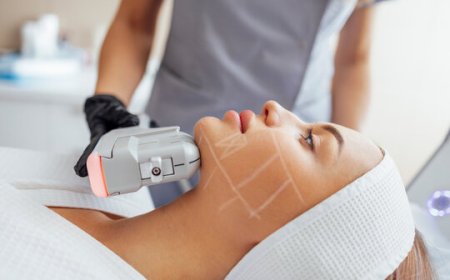
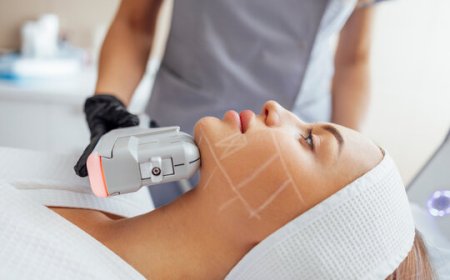
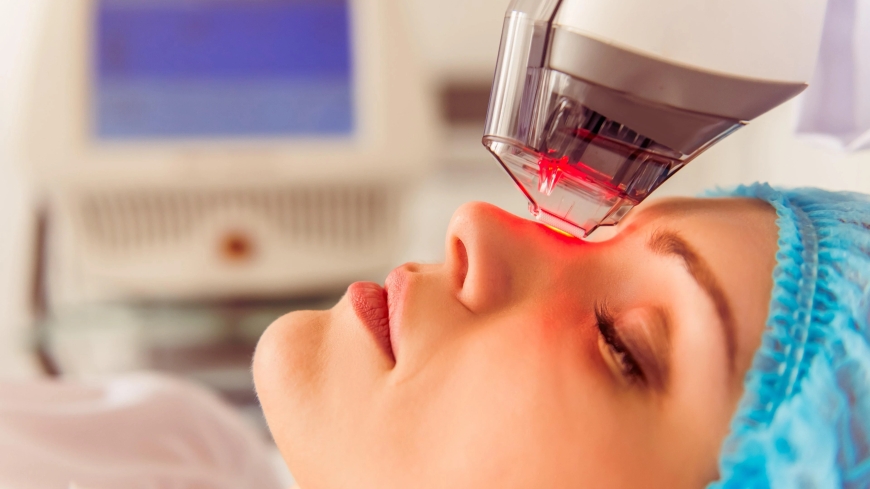
Fractional CO2 Laser Resurfacing is an ablative laser treatment that uses carbon dioxide to create microscopic injuries in the skin. These controlled injuries stimulate the natural healing process, encouraging collagen production, skin renewal, and removal of damaged tissue. It is widely used for:
-
Acne scars
-
Fine lines and wrinkles
-
Skin laxity
-
Sun damage
-
Pigmentation disorders
The laser treats only a fraction of the skin surface in each session, leaving surrounding tissue intact to promote faster healing.
Can CO2 Laser Treat Melasma?
The answer is both yes and no, depending on various patient-specific factors. While Fractional CO2 Laser can improve pigmentation, it is not a first-line treatment for melasma due to the risk of post-inflammatory hyperpigmentation (PIH), especially in darker skin tones. However, when used selectively and in very controlled settings, CO2 laser can help reduce melasma in patients who are:
-
Non-responsive to topical agents and chemical peels
-
Have mixed-type melasma (epidermal + dermal)
-
Have a skin tone suitable for ablative lasers (typically Fitzpatrick IIII)
-
Are closely monitored by a qualified dermatologist
In such cases, low-energy, fractional settings can break down pigment clusters while promoting skin turnover, resulting in a gradual reduction of melasma patches.
Mechanism: How CO2 Laser Targets Pigmentation
The CO2 laser targets pigmented lesions by:
-
Breaking up melanin deposits into smaller particles, making them easier for the body to eliminate
-
Exfoliating the superficial layers of the skin to remove pigmented cells
-
Stimulating collagen production, which improves overall skin quality and texture
-
Accelerating cell turnover, which fades discoloration over time
In cases of melasma, this must be done with extreme precision, since any trauma to the skin can potentially worsen pigmentation.
Benefits of Fractional CO2 Laser for Melasma (When Used Correctly)
-
Improved evenness of skin tone
-
Reduction in pigment density
-
Enhanced skin texture and luminosity
-
Stimulation of deeper skin renewal
-
Increased absorption of topical treatments post-procedure
These benefits are often more pronounced when CO2 laser is combined with topical lightening agents or antioxidant therapies before and after treatment.
Risks and Considerations
The biggest challenge when treating melasma with CO2 laser is the risk of making the pigmentation worse, especially in patients with medium to dark skin tones. Other potential risks include:
-
Post-inflammatory hyperpigmentation (PIH)
-
Hypopigmentation (loss of skin color)
-
Redness and irritation
-
Scarring, if not properly handled
This is why it's critical that the procedure be performed by a board-certified dermatologist with experience treating melasma, and that it is part of a broader treatment plan, not a stand-alone solution.
Alternatives to Consider First
Before considering ablative laser therapy like CO2 for melasma, dermatologists typically recommend:
-
Topical lightening agents: hydroquinone, kojic acid, azelaic acid, tranexamic acid
-
Chemical peels: glycolic acid, salicylic acid, and lactic acid
-
Microneedling with PRP or vitamin C
-
Non-ablative lasers, like Q-switched or picosecond lasers
-
Oral tranexamic acid, in resistant cases
These options are generally safer and more sustainable for initial melasma management, especially in darker complexions.
Best Candidates for CO2 Laser Melasma Treatment
-
Patients with epidermal melasma verified via Woods lamp or biopsy
-
Those who have already tried other modalities without success
-
Lighter skin tones with a lower risk of PIH
-
Individuals who can commit to rigorous sun protection and aftercare
-
Patients being treated by an experienced specialist in laser dermatology
Even in ideal candidates, treatment typically requires multiple sessions spaced 68 weeks apart and must be followed with pigment inhibitors and strict UV protection.
Aftercare for Melasma Patients Undergoing CO2 Laser
Post-treatment care is crucial for maintaining results and preventing recurrence:
-
Apply broad-spectrum SPF 50+ daily, even indoors
-
Avoid direct sunlight and heat exposure
-
Use gentle, non-irritating skincare and prescribed healing creams
-
Follow up with lightening agents to suppress melanin
-
Avoid makeup for at least 57 days
-
Schedule regular reviews with your dermatologist
Failure to adhere to post-care guidelines can lead to rebound pigmentation, undoing the benefits of the laser.
Conclusion
Fractional CO2 Laser can help improve melasma, but it is not universally recommended as a primary treatment due to the risk of side effects. In carefully selected patients, especially those with lighter skin and resistant melasma, it can be an effective part of a larger treatment plan. The success of this approach lies in precision, pre-treatment planning, and ongoing maintenance.
If you're considering a Skin Resurfacing Treatment in Islamabad to address melasma or pigmentation issues, the SKN Cosmetics clinic provides expert consultation and personalized treatment protocols under medical supervision. Their dermatology team uses safe, evidence-based methods to manage melasma with maximum results and minimal risk.