



















Different Types of Caregivers at Home You Should Know


In today's busy world, more people are recognizing the value of caregivers at homededicated professionals who support individuals with daily activities, health needs, and emotional well-being. From assisting aging parents to helping those with disabilities or recovering from surgery, Caregivers at home Dubai provide personalized attention and care in a familiar environment. Understanding the different types of caregivers available can help families choose the best support for their loved ones. This guide explores the most common roles and how each contributes to better home care.
Personal Caregivers: Helping with Everyday Living
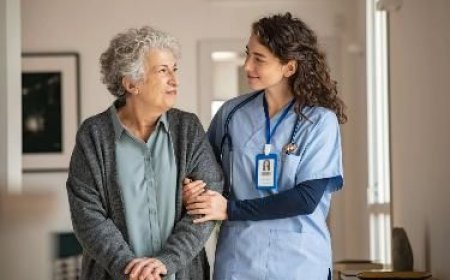
Personal caregivers focus on assisting individuals with their daily routines. These routines may include hygiene, grooming, dressing, toileting, and mobility support. Their presence is especially valuable for those who may be elderly, disabled, or recovering from a medical condition. The aim is to ensure dignity, comfort, and independence while offering hands-on assistance within the home.
These caregivers also often provide companionship. Loneliness can be a concern for many individuals at home, and having a familiar, friendly face around can make a major difference in emotional well-being. A personal caregiver becomes someone the care recipient can rely on day to day, building trust and emotional connection over time.
Companion Caregivers: Emotional Support and Social Engagement
Not every person needs physical assistancesome simply need companionship and a watchful presence. Companion caregivers focus on providing emotional and social support. They may accompany individuals on walks, help them attend appointments, or simply spend time reading, playing games, or having conversations.
This type of care is ideal for seniors who live alone or for anyone who may be at risk of social isolation. Companion caregivers encourage mental stimulation, routine, and engagement, which is essential for overall well-being.
Skilled Caregivers: Specialized Health Support
Some situations require a higher level of support beyond everyday tasks. Skilled caregivers typically have specialized training and may assist with complex health needs under the direction of healthcare professionals. Their tasks may include monitoring vital signs, assisting with mobility devices, helping with exercises, or supporting recovery routines.
Skilled caregivers at home are often part of a longer-term plan for those living with chronic conditions or those who have experienced major medical events. Their presence can help ensure that daily health goals are met safely and consistently without the need for a hospital or facility stay.
Live-In Caregivers: Around-the-Clock Assistance
When constant supervision or 24-hour care is necessary, live-in caregivers provide continuous support. They reside in the home and are available day and night to assist with both personal and household tasks. This type of care is especially helpful for individuals with memory disorders, mobility limitations, or complex health conditions.
Live-in caregivers help with everything from cooking and housekeeping to reminders for medication or appointments. Having someone nearby at all times gives family members peace of mind, knowing their loved one is never alone or without help.
Respite Caregivers: Temporary Relief for Primary Caregivers
Family members who act as full-time caregivers often need breaks to rest and recharge. Respite caregivers step in temporarily to provide care while the primary caregiver is away. This short-term support is essential in preventing burnout and maintaining a balanced caregiving routine.
Respite care can range from a few hours a day to several days or weeks. During this time, the caregiver ensures that all essential needs are met, from meals and hygiene to companionship and safety monitoring. Their role allows families to take time for themselves while ensuring consistent care continues.
Rehabilitation Support Caregivers: Helping During Recovery
Recovery from injury, surgery, or illness can be challenging, especially when it involves physical therapy or limited mobility. Rehabilitation support caregivers help individuals regain strength, independence, and function during this time. Their responsibilities may include helping with movement, overseeing rehabilitation exercises, and assisting with daily activities as mobility improves.
These caregivers at home often work closely with physical or occupational therapists' recommendations. They offer encouragement, keep routines consistent, and help individuals maintain progress in their recovery goals, all while remaining in the comfort of their home.
Dementia and Alzheimers Caregivers: Specialized Memory Support
Caring for someone with dementia or Alzheimers requires patience, understanding, and specific training. These caregivers offer specialized care tailored to memory-related conditions. Their support includes helping with personal tasks, managing behavioral challenges, ensuring safety, and creating a calm, familiar routine.
These caregivers provide much-needed consistency, which can reduce confusion and anxiety for individuals with memory conditions. They often use memory aids, communication strategies, and structured routines to enhance quality of life while promoting independence where possible.
Pediatric Caregivers: Support for Children with Health Needs
Children with medical or developmental needs often benefit from the care of pediatric caregivers. These caregivers are trained to work with younger individuals and understand the importance of a nurturing, age-appropriate approach. Their tasks may involve feeding, hygiene, mobility assistance, educational support, or helping with medical equipment.
Pediatric caregivers at home ensure children can receive personalized, attentive care within their home environment. They work closely with families to ensure that each childs emotional, physical, and developmental needs are supported.
Palliative and End-of-Life Caregivers: Comfort and Compassion
For individuals facing serious illness or end-of-life situations, palliative caregivers provide essential comfort, emotional support, and dignity. Their focus is not on curing, but on relieving pain, managing symptoms, and offering emotional presence for both the individual and their loved ones.
Palliative caregivers at home play a deeply compassionate role. They understand the emotional weight of the situation and aim to create a calm, respectful space where individuals can experience peace and comfort surrounded by loved ones.
Household Support Caregivers: Making Daily Life Easier
Some caregivers offer help that goes beyond physical or emotional carethey manage household responsibilities that support overall wellness. These tasks may include meal preparation, cleaning, laundry, organizing, or errands. By ensuring the home environment remains clean and functional, these caregivers contribute to better living conditions for those receiving care.
This support is particularly useful for elderly individuals or those recovering from health issues who may not have the energy or ability to manage these tasks themselves.

Choosing the Right Type of Caregiver at Home
Selecting the right caregiver begins with understanding the unique needs of the individual requiring care. Each type of caregiver brings a different set of skills and focus. Some situations may require a combination of rolespersonal care, emotional support, and health supervision. Knowing the distinctions between these types helps families make informed choices and find the best possible match for their loved ones.
Its also important to consider compatibility, trust, and communication. A positive caregiver relationship can significantly improve emotional well-being, daily comfort, and overall quality of life.
The Growing Role of Caregivers at Home
As more people choose aging in place or managing health conditions outside of hospitals, the role of Caregivers at home in Dubaicontinues to grow. Their presence bridges the gap between independence and professional support, offering tailored, compassionate care in the most personal settingthe home. Whether temporary or long-term, part-time or full-time, these caregivers form a vital part of modern health and wellness routines.
The flexibility and personalization that come with home care make it a preferred option for many families. With so many types of caregivers available, individuals can receive the precise support they need, enhancing both safety and quality of life.
Caregivers at home are more than just helpersthey are trusted companions, advocates, and support systems. Understanding the variety of roles they play empowers families to find the best care possible for those they love.