



















Discomfort After an Accident? Emergency Relief in Bootle
Suffering from dental pain after an accident? Immediate care can ease discomfort and prevent long-term damage. Learn what to do and how to get help.


Accidents are unpredictable, and when they affect your mouth, the results can be painful, distressing, and potentially long-lasting. From a chipped tooth while playing sports to a jaw injury from a fall, dental trauma often requires immediate attention. Ignoring discomfort or hoping it will pass can lead to complications, including infections, permanent tooth loss, or expensive treatments later on.
In Bootle, access to an experienced emergency dentist in Bootle means you dont have to wait or suffer in silence. Whether its a cracked tooth, swelling, or bleeding, rapid dental intervention can help you recover more quickly and with fewer long-term consequences. And for follow-up care or preventative cleaning, a hygienist in Bootle is essential in restoring and maintaining your oral health after an incident.
What Counts as a Dental Emergency?
Many people are unsure whether their dental issue qualifies as an emergency. If youre experiencing pain, bleeding, or sudden damage to a tooth or restoration (like a crown or bridge), its better to act swiftly.
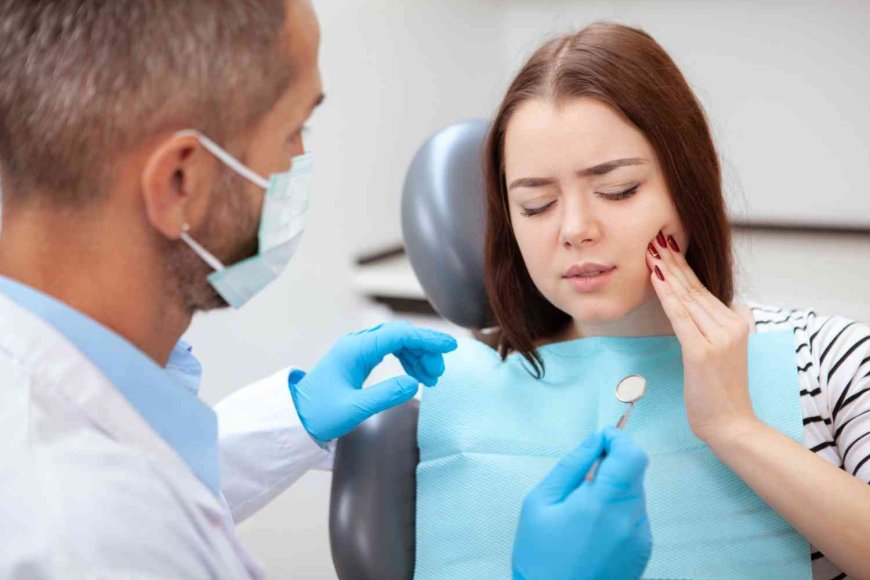
Common Dental Emergencies Include:
- Knocked-out tooth (avulsion)
- Cracked or fractured tooth
- Tooth pushed out of alignment (extrusion/intrusion)
- Severe toothache with or without swelling
- Uncontrolled gum bleeding or lacerations
- Dental abscess or signs of infection
- Lost filling, crown, or dental implant
In any of these situations, seeking help from anemergency dentist in Bootleimmediately could prevent the need for more complex treatment.
Why Immediate Care Matters
The window for successfully treating some dental injuriesespecially knocked-out or dislodged teethis narrow. In many cases, if treatment is received within the first 30 to 60 minutes, the chances of saving the tooth are much higher.
Risks of Delaying Emergency Dental Treatment:
- Tooth Loss: Without reimplantation or stabilisation, you may lose a tooth that could otherwise have been saved.
- Infection: Cracks and open wounds create a direct path for bacteria to enter deeper tissues or the bloodstream.
- Worsened Damage: A small chip can quickly become a major fracture without proper stabilisation.
- Facial Swelling and Fever: These may indicate an abscess that, left untreated, could lead to serious complications.
- Costlier Treatments Later: Delaying emergency care often results in the need for root canals, extractions, or implants.
Seeking an emergency dentist in Bootle promptly can reduce discomfort, protect your long-term dental health, and avoid unnecessary complications.
What to Do Immediately After a Dental Accident
Your actions immediately after a dental injury can make a significant difference. If you know how to respond before reaching the dentist, you may help preserve the injured tooth or reduce further trauma.
First-Aid Steps for Common Dental Emergencies:
- Knocked-Out Tooth: Hold the tooth by the crown (not the root), rinse it gently with water if dirty, and try to place it back in the socket. If not possible, store it in milk or saliva and head to a dentist immediately.
- Cracked or Broken Tooth: Rinse your mouth with warm water, apply a cold compress to reduce swelling, and avoid using that side of your mouth.
- Severe Bleeding: Apply gentle pressure using clean gauze. If bleeding does not stop, seek emergency care.
- Facial Swelling: Apply a cold compress and avoid lying flat. Swelling may indicate infection, which should be treated quickly.
After stabilising your situation, book an urgent visit with an emergency dentist in Bootle to assess the damage and begin appropriate treatment.
The Role of a Hygienist in Post-Injury Recovery
Once the immediate emergency is treated, a hygienist in Bootle plays an important role in the recovery process. They help ensure the trauma site remains clean, promote healing, and monitor for complications like gum recession or plaque accumulation in hard-to-reach areas.
What a Hygienist in Bootle Can Help With:
- Gentle but thorough cleaning around injured or treated areas
- Gum health monitoring to prevent inflammation or infection
- Desensitising treatments for teeth that feel overly reactive post-injury
- Education on oral care to help you adjust your routine during recovery
- Preventive advice to reduce the risk of future injuries
Together, your emergency dentist and hygienist offer a well-rounded care planfrom urgent relief to long-term healing and maintenance.
When to Book a Routine Hygiene Visit
Even if your injury has healed, regular visits with ahygienist in Bootleremain essential. They help prevent minor issueslike tartar build-up or early gum diseasefrom developing into painful situations that require emergency attention.
Consider Booking with a Hygienist If:
- Youve experienced trauma that affected the gum line or caused inflammation
- You have braces, implants, or bridges that are difficult to clean on your own
- Your teeth are feeling more sensitive since the accident
- Your breath has worsened or plaque is building up in specific areas
- You want to lower your risk of future dental emergencies
Proactive hygiene care supports the health of your gums and teeth, especially following an injury.
Table: Emergency Care vs Hygiene Follow-Up
|
Situation |
Emergency Dentist in Bootle |
Hygienist in Bootle |
|
Knocked-out tooth |
Immediate reimplantation, splinting |
Aftercare and cleaning around the area |
|
Cracked or fractured tooth |
Dental bonding, crown or root canal |
Monitoring for plaque, desensitisation |
|
Gum or cheek injury |
Suturing, infection control |
Gentle polishing, oral hygiene guidance |
|
Severe toothache or abscess |
Pain relief, antibiotics, drainage |
Preventive measures to avoid future issues |
|
Healed trauma, plaque build-up |
|
Deep cleaning, gum pocket measurement |
Preventing Future Dental Emergencies
While not all accidents can be avoided, many dental injuries are preventable. Your hygienist and dentist can guide you through effective prevention strategies tailored to your daily habits and risk factors.
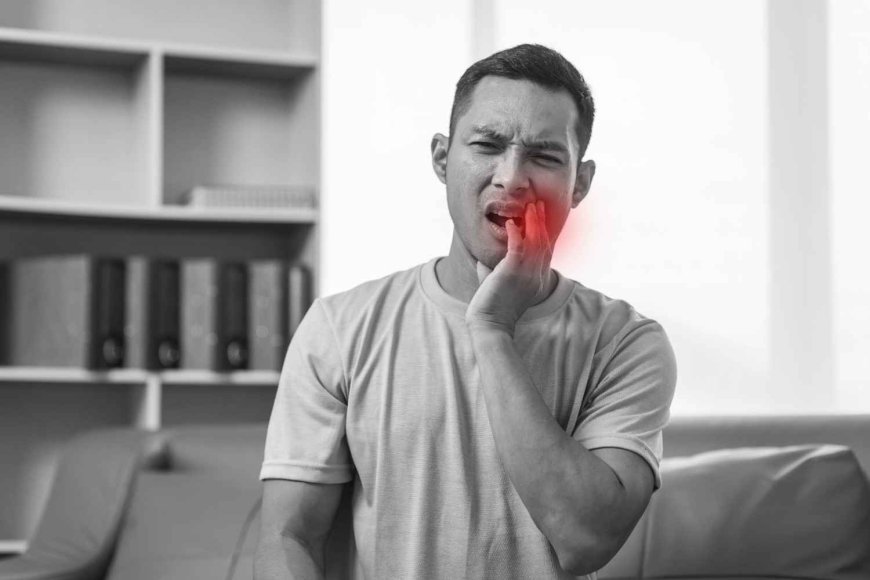
Tips to Reduce the Risk of Dental Trauma:
- Wear a mouthguard if you play contact sports or grind your teeth at night
- Avoid chewing hard substances like ice, pens, or hard sweets
- Don't use your teeth as tools to open packaging or hold items
- Brush and floss regularly to maintain strong, healthy teeth and gums
- Attend routine check-ups to detect vulnerabilities early
Preventing problems is always easierand more cost-effectivethan treating them later.
Conclusion
Dental injuries can be distressing, but you dont have to face them alone. From intense toothache to chipped teeth and oral bleeding, knowing where to turn makes a world of difference. Once the immediate crisis has passed, follow-up care with a knowledgeable hygienist in Bootle ensures your mouth stays clean, your gums stay healthy, and your smile recovers fully. For compassionate, expert-led emergency and preventive care in Bootle, trust EDA Group to help you recover with confidence and maintain excellent oral health well into the future.