




















How Do Climate and Home Construction Affect the Performance and Compatibility of the Nine Heating Methods?
Discover the best heating system for your home based on climate, design, and insulation. Learn how different methods perform in cold, moderate, and humid environments to ensure comfort, efficiency, and reliability.
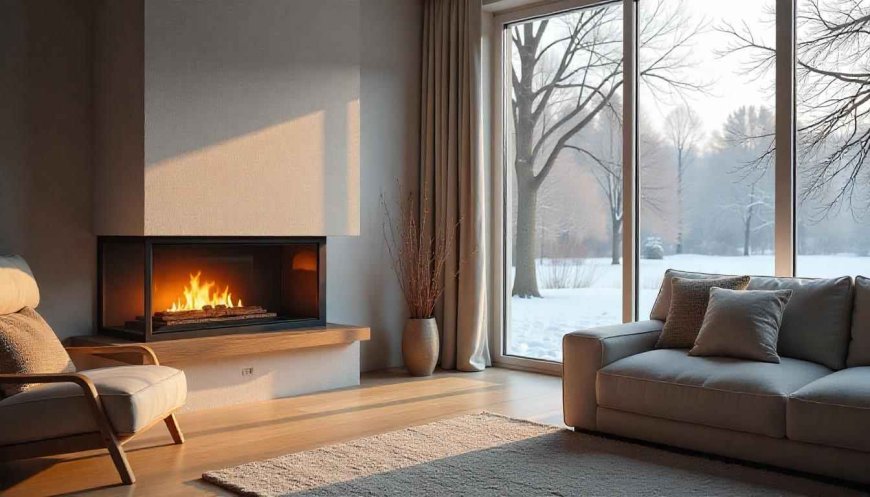
The efficiency and effectiveness of a heating system arent based on technology alone. Your climate, house design, insulation quality, and even layout play vital roles in determining which method will be reliable, comfortable, and cost-effective. This article explores how each of the nine heating systems performs within different environmental conditions and housing structures, helping you choose a system that fits both your home and your surroundings.
Cold Winters: Demanding Consistency and Strength
In regions where winters drop below 20F, system reliability is non-negotiable. Gas furnaces are engineered to deliver rapid, high-volume heat, making them a go-to solution for such climates. High-efficiency models keep fuel waste low, while ducted heated airflow effectively distributes warmtheven through older, less insulated homes.
Boilers, especially steam or radiator-based systems, also offer consistent warmth, and have traditionally been elegant solutions in regions with older architecture. Where conditions push below zero, geothermal heat pumps become compelling. By tapping into stable underground temperatures, they avoid performance losses common to air-source units in cold weather.
While air-source heat pumps may struggle in deep freeze, newer cold-climate models paired with backup systems can offer reliability with impressive efficiency. You can get the facts to understand how these systems hold up in low-temperature environments.
Moderate Climates: The Sweet Spot for Efficiency
Homes in milder areaswhere winters hover above freezingunleash the full potential of air-source and ductless heat pumps. These systems deliver efficient year-round performance, handling both heating and cooling needs with a single unit. With proper insulation, they can outperform electric resistance systems by two to four times in terms of energy use.
Radiant floor systems also excel in moderate climates, where ambient temperatures make low-temperature heating a viable way to maintain home comfort without overheating. Their constant, steady warmth can create an agreeable living environment.
Electric furnaces may operate reasonably here, but they lack the efficiency and versatility of pumps and radiant solutions.
Humidity Matters: Control and Comfort
Climate isnt just about temperature. The right system can affect indoor humidity and overall comfort. Heat pumps cool and dehumidify, pulling moisture out during hot months. Radiant systems, which dont circulate air via ducts, help keep humidity levels more stable, making them ideal for climates where mold or mildew is a concern.
Forced-air electric or gas systems can dry out a house, especially if running frequently. Homes in humid regions may pair cooling systems with dehumidifiers for optimal comfort.
Home Type and Infrastructure
Your home's structure greatly influences which heating method is most suitable. Homes built with ductwork are well-suited to furnaces and air-source heat pumps. If ducts are absent or impractical, ductless mini-splits or radiant systems offer compelling alternatives.
Older homes with radiators work naturally with boilers. New constructions lend themselves to radiant floor systems, but retrofitting these systems can be disruptive and costly. Mini-splits are ideal for additions and renovations, providing effective heating without heavy construction.
For rural properties, wood or pellet stoves offer backup heating and self-reliance, but require appropriate venting and fuel logistics.
Hybrid and Emergency Scenarios
Despite modern efficiencies, many homeowners opt for hybrid setups that combine a heat pump with a furnace or boiler to ensure uninterrupted heat during extreme cold. This approach balances low operating costs with reliable performance. Homeowners prone to power outages may retain wood stoves as emergency backup heating, or keep electric furnaces as secondary systems.
Conclusion
Choosing a heating system isnt just about equipmentits about context. Your local weather patterns, home design, zoning, insulation, and even personal habits inform which method will work best. The most climate-compatible systems leverage built-in strengthslike heat pumps in mild climates or boilers in radiator-heated old homesenhancing efficiency and comfort. Hybrid systems and redundancies add stability, while understanding your homes profile ensures your heater performs reliably and affordably. For deeper insight into system choice by climate and construction, feel free to explore these detailed resources and discover more here.

:extract_cover():upscale()/2020/01/27/133/n/44701584/9c4d223b352ff3aa_GettyImages-962608834.jpg)