



















How Do Residential Programs for Unwed Mothers Facilitate Education and Life Skills?

Residential programs for unwed mothers are essential spaces where support, structure, and opportunity converge. These facilities, often referred to as a home for unwed mothers, offer more than shelter; they're places of refuge designed to empower pregnant women who are unplanned and often without the support of family members or partners. Life skills and education are the basis of these programs, empowering those who reside there to become independent as well as confident and ready to parent or live independently. The way these homes aid in learning and development provides a deep understanding of the transformative effects they have on residents.
A Safe Environment to Continue Education
One of the most crucial aspects of a successful family home that is designed for mothers who are not married is the determination to ensure that the children are kept in school. A lot of young girls who are in this situation find themselves disengaged from their schooling due to the stigma of shame or the logistical difficulties of childcare or transportation. Residential programs remove the majority of these hurdles with on-site or associated educational support.
Whether they help residents enroll at high school, take on the GED or pursue colleges or vocational programs, these residences ensure that education is an important aspect. Assistance with homework and tutoring and flexible schedules for learning meet those who are pregnant or mothering young women. The education process is not just a path towards a degree, but towards a better future that offers more possibilities and stability.
Some programs that collaborate with local schools allow residents to participate in traditional classes as well as virtual, depending on their level of ability and comfort. Regular encouragement and regularity in the home encourages the residents to take on a new commitment to education. Education is not viewed in a new way as a burden and obligation, but rather as empowering.
Teaching Life Skills for Long-Term Stability
The homes that are available for mothers who have no children are more than just books and classes. The daily routine of these homes is planned to help teach fundamental aspects of life-from budgeting and cooking, through to time management and making decisions. The skills taught are usually considered to be standard in household settings, however they can be absent in the lives of children and young mothers who were raised in unsupportive and unstable settings.
Residents are taught how to run their household, make medical appointments and manage the demands of life, within an environment that is supportive. They aren't abstract concepts; they are real-life experiences that help prepare young women for life outside the confines of the shelter. Training, mentoring as well as guidance from the staff assist residents to understand these methods.
Furthermore, education for parents is frequently a key component of life skills education. Knowing the development of children as well as nutrition, sleeping routines and even effective discipline can help mothers to take care of their children in a way that is empowering and compassionate. The life skills taught are not just for self-sufficiency, but for fostering healthy families.
Emotional Growth Through Counseling and Peer Support
The experience of unwed mothers isn't just a matter of logistics, it's emotionally charged. A lot of them are admitted to a residence for women who have not been married suffering from abandonment, grief or doubt about themselves. These programs usually offer private and group counseling sessions that address issues with the psychological and emotional wellbeing of. Professionals and caseworkers who are licensed aid residents to understand their own experiences face fears, explore their feelings, and establish positive goals.
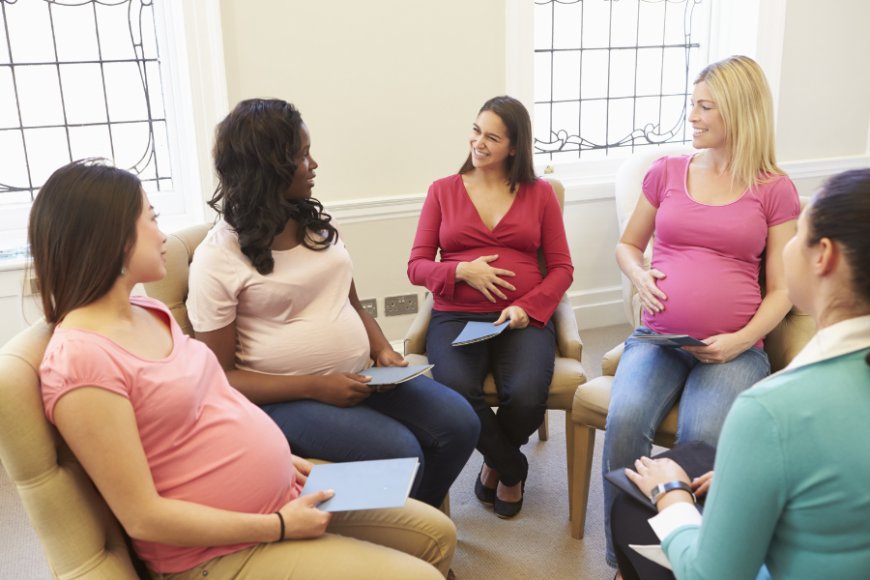
Interactions with peers and group therapy help to build a shared understanding. Being with others with similar experiences can provide mutual support and healing. The interactions can end the cycle of isolation and shame. They replace it with connection and empathy.
Participation in group activities such as celebrations, parties, or simple meals shared with others creates an atmosphere where support for emotional issues can be considered normal. They emphasize the mental health of people as an important aspect of development, and not just as a last-minute thought.
Community Connections Programs: Building a Bridge to Independence
Inclusion into the community is a key goal for residential programs. This is why the community connection programs can play an important role. The programs connect residents to the local community resources, training for careers as well as health and wellness services and mentorship opportunities. This is a way to reduce the long-term dependency to shelter facilities and promote active participation in the communities.
Through collaboration with local businesses as well as non-profit organizations, residents can get part-time or internship jobs and volunteer opportunities which help build their resumes and social abilities. Many homes work with trade or community colleges as well as schools in order to encourage continued learning.
Participation in community-based programs or other faith-based projects creates a sense of accountability and a sense of belonging. In promoting active participation within the community, these activities help to build identity, dignity and a sense of purpose. This results in a better well-prepared person who is able to transition into independent living, supported by an established network of help.
Preparing for Employment and Financial Literacy
Financial security is a major aim for the majority of women who are not married who reside in a residential facility. Life and education training can be combined with job preparation programs. Making resumes, mock interviews and dressing to be successful, and employment strategies are usually taught in the program that is structured.
The classes in financial literacy cover topics such as budgeting, saving the management of credit and a better understanding of lease contracts. These skills are essential to making sure you avoid common financial mistakes and gaining the skills to create a secure life for the mother and child. Through understanding the relationship between expenses and income and the importance of planning financial goals, people start to be more in charge of their financial future.
The lessons are in tandem with confidence building. If a mother's young believes that she is competent in making, saving and managing cash and managing her finances, she's likely to leave the course with realistic, sustainable goals.
Cultivating Responsibility Through Structure and Routine
One of the most important features of any house for women who have never married is the arrangement. Routines that are predictable provide security as well as accountability and responsibility. Awaking at a particular time, doing chores, going to classes as well as taking care of your child according to a schedule--helps develop maturity and discipline.
Expectations and rules aren't only concerned with control, they're also designed to prepare you for the realities of life. People learn to appreciate the importance of being present by executing their commitments and preparing ahead. The routines provide a valuable structure to life that most have not had prior to moving into the house.
As time passes, and with these support systems put in place, the residents are taught how to manage their families, take decisions and are accountable in their own lives and for their children's lives.
Conclusion: Empowering Transformation Beyond Shelter
The programs that are available to mothers who have no children are more than just temporary shelters. They also serve as catalysts for changing. By combining training, education as well as emotional healing and participation in community activities the programs aid girls in writing their lives. The pursuit of education can rekindle hope and life skills, build capacity and connections with the community are a bridge between the void of crisis and security.
Each element is connected by respect, care and an eye on the future. If you are a mother who is not married, these programs are more than just spaces to be able to remain in, they are places to learn.
Frequently Asked Questions
1. How can residential programs help the educational needs of unwed mothers?
The majority of residential programs cooperate with schools and offer educational options in-house, such as GED programs, tutoring and virtual classes. These programs help mothers of young children to continue their education or resume it as they balance parenting obligations.
2. What types of life skills are taught in these homes?
The residents are taught essential life abilities like the art of budgeting, cooking and household management. They also learn the management of time, parenting as well as job-ready. The lessons they receive every day will prepare them for a life of independence.
3. What community connection programs can assist residents?
Community connections programs connect residents to local resources like health care and job training, mentorship and assistance with housing. These relationships help residents establish outside support networks, and help get ready for the world beyond their house.
4. Do these institutions offer assistance in the area of mental and emotional well-being?
The majority of residences offer counselling for groups and individuals as well as peer support sessions as well as trauma-informed treatment that helps residents recover emotionally and strengthen their resilience.