



















Beyond the Crusher: How Scrap Yards Keep Automotive History Alive
Explore how scrap yards preserve the stories and legacy of old vehicles. Learn what really happens after cars and trucks reach the end of their road with Cash for Trucks Townsville.

When people think of scrap yards, most imagine crushed metal, rusted parts, and forgotten machines. While that may be part of the picture, there is much more happening beyond the crusher. Scrap yards often serve as hidden places where the history of the motor industry is kept alive, even after the vehicles stop running. Each wreck tells a story, and in many yards across Australia, these stories are quietly preserved.https://www.cash4carstownsville.com.au/
1. The Arrival of Vehicles with a Story
Old cars, written-off trucks, and retired vans often arrive with signs of the life they once had. Faded stickers, dents from years of use, personal items left behind, or hand-drawn maps in glove boxes all tell something about their past. Mechanics and yard workers often take note of these small details, and sometimes they keep items that represent special moments in Australian motoring history.
For example, it is not rare for yards to receive early-model Holdens, rusted yet recognisable. Some yards in Queensland and other states have kept these cars aside rather than crushing them. Over time, these places become unofficial museums, with rows of shells and parts that speak of decades gone by.
2. Stripping and Sorting Parts
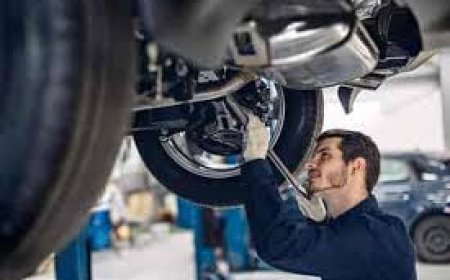
After inspection, the process of pulling parts begins. Wheels, engines, gearboxes, and panels are removed with care. These parts are stored and catalogued for people who are restoring vehicles or fixing up an older model. Many classic cars can no longer be serviced with new parts from dealers, so scrap yards often become the only source of original fittings.
In this way, scrap yards help to keep old cars on the road. Collectors, builders, and restoration workers rely on these places. Every time a part is reused, a small piece of history finds life again.
3. Saving Rare Finds
Scrap yards often come across rare or vintage models that are not common anymore. Instead of sending these vehicles straight to the shredder, some yard owners keep them aside. These rare finds may not be worth much in scrap metal, but their value lies in their age, their place in Australian roads, or their make and model.
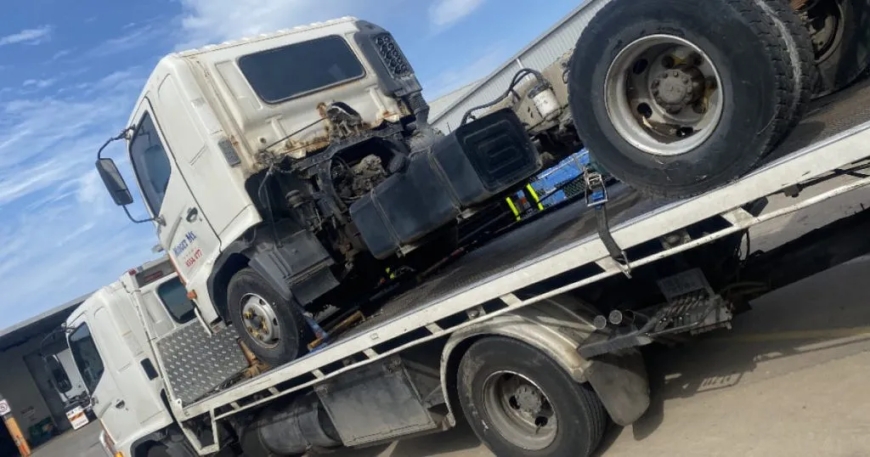
It is not only cars that hold interest. Trucks, utes, and vans with past links to farming, mining, or trade industries also tell a story about how people lived and worked. This is why some services dealing in Cash for Trucks Townsville often recognise and preserve parts of old work vehicles.
4. Personal Items That Hold Meaning
Scrap yard workers sometimes come across wallets, photos, handwritten letters, or clothing inside vehicles. These are often removed and stored before the vehicle is processed. On occasion, yard owners will try to contact former owners or their families to return the items. While not always possible, these efforts reflect the respect many in the trade have for the vehicles and the people who owned them.
Some workers even create displays in their offices or break rooms, showing off badges, keys, and dashboard items that came from rare or meaningful vehicles. These displays grow over time, becoming quiet collections of local motoring history.
5. Vehicles That Avoid the Crusher
Not every car that comes to a yard ends up in pieces. Some are sold whole to collectors or hobbyists. These buyers often look for shells that they can restore from the ground up. While these projects take years, they are one more way scrap yards help to extend the life and legacy of old cars.
In some cases, mechanics working in the yard may take on such projects themselves. It is not rare for a worker to spend time fixing up a once-crashed ute or van using parts saved from other vehicles. These projects show the care and knowledge held by people who work around cars every day.
A Natural Role in the Cycle
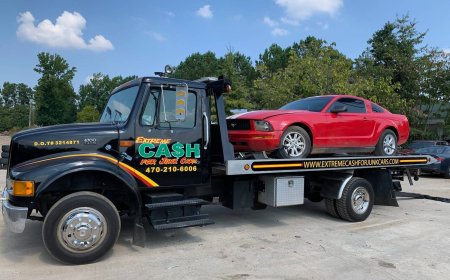
One service that works closely with this process in North Queensland is Cash 4 Cars Townsville. While their work involves removing unwanted or wrecked vehicles, they also see the importance of reusing and salvaging where possible. This is especially true for trucks, which hold stories of trade, freight, and farming life in the region. Through their regular handling of vehicles in both rural and urban areas, they support the larger cycle of vehicle reuse, including the growing role of Cash for Trucks Townsville services that focus on bigger vehicles often overlooked in the recycling world.
The Value of Scrap Yards Beyond Metal
Scrap yards are not only about turning metal into cash or finding spare parts. They also serve as places where the past meets the present. Each car that rolls into the gate carries memories family trips, first drives, road trips, and work days. These stories are not forgotten. They remain in the marks, dents, and wear left behind.
Even the act of pulling apart a car can bring a kind of respect for how it was made, used, and driven. Older models, in particular, show how designs have changed and how technology has shifted over time. Scrap yards quietly capture all of this without needing to be museums or archives.
6. A Living Record of Australian Roads
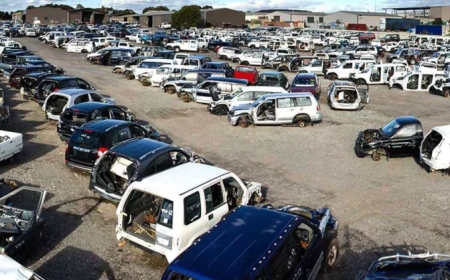
Across the country, scrap yards hold vehicles from different decades. From 1980s sedans to 2000s hatchbacks, to heavy work trucks from farms and mines, these yards become living records of what people drove and how vehicles shaped daily life. This quiet presence helps Australians remember where the motoring world has been and where it is heading.
In this way, the work done inside these yards matters far beyond the sale of metal or parts. It keeps alive the shape and feel of the vehicles that once filled the roads.
Final Thoughts
When people think of scrap yards, they often picture machines and noise. But beyond the steel and rust lies a quieter truth. These yards help hold onto the past while making room for the future. They save parts that still have purpose, return items that hold meaning, and sometimes even give entire vehicles a second chance.
By doing so, they keep Australian automotive history alive not in a book or museum, but in the real world, where metal meets memory and each wrecked car has one more chapter left to tell.