



















How To Enjoy Spectacular Moments At Poon Hill’s Peak
Catch the magic of Poon Hill at sunrise. Discover the best time, tips, and prep to fully enjoy one of Nepal’s most breathtaking Himalayan viewpoints.

How To Enjoy Spectacular Moments At Poon Hills Peak
One of the?most famous viewpoints in the Himalayas, Poon Hill, at nearly 3,210 meters (10,531 feet) in the Annapurna region, Ghorepani Poon Hill Trek Nepal, is now the highlight of thousands of trekkers who arrive from around the world. The hike up to Poon Hill provides a 360-degree view of some of the highest mountains on earth, ?including Annapurna, Dhaulagiri and Machapuchare (Fishtail). It's one?hell of an accomplishment to get up there, but if you want to enjoy the amazing dawn of poon hill, you need to do more than just get to the top! To truly take advantage of this amazing experience, youll want to think ahead and be where you need to be with the sun, moon, and Earth.
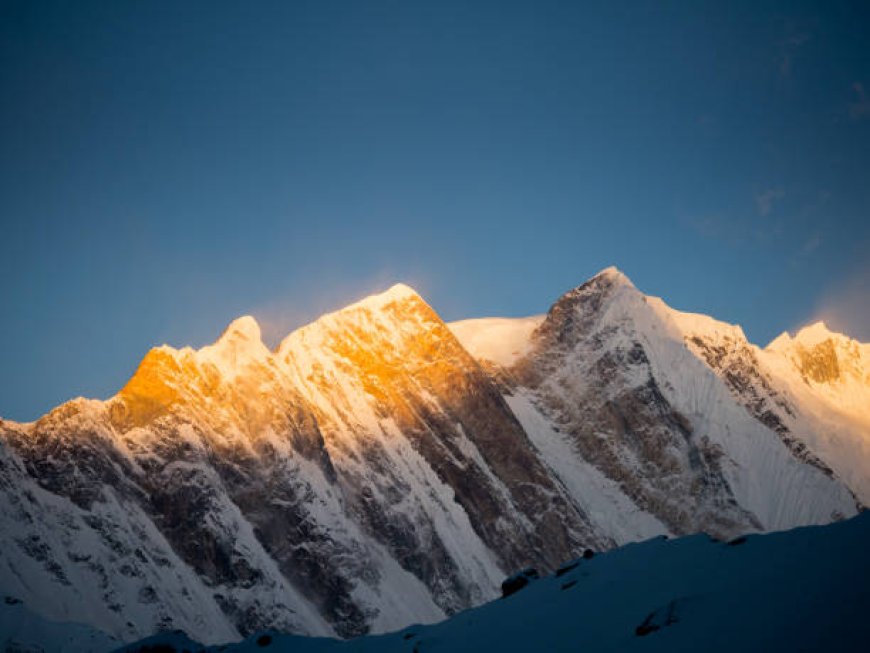
The first secret to properly experiencing Poon?Hills spectacular moments is going at the right time, aka sunrise. The ascension from Ghorepani begins in the early hours of the morning at around 4:30 a.m., and brings you to the viewpoint well ahead of sunrise. The lead-up to sunrise is magical the sky goes from dark indigo to pale pastel colors, and the snow-capped peaks begin to glow in golden light. Go early so you can grab a peaceful place to watch the transition happen in slow motion, enjoying the quiet and stillness of those moments before the day starts. You will need to dress warm since it can get pretty cold at this altitude before daybreak, and being that high up, even during the summer.
While a lot of people will be eager to grab a photo during sunrise, make sure you experience it. Take a break from your camera once in a while and soak up the fresh mountain air. Now focus on the details how the first light splashes across the serrated peaks, the bird calls far away, the soft patterns of the terraced fields below. This process, ?most trekkers say, leaves them more present than any photograph could. Experiencing that memory with other trekkers from across the globe also brings a sense of camaraderie and shared awe to the moment, making it all the more memorable.
Dont immediately rush back down once the sun has risen during Poon Hill Ghorepani Trek. Spend some time hiking around the peak and on nearby trails. There are also peaceful spots to sit and reflect, or have a hot cup of tea while you stare at the mountains. The light changes, and the newly created shadows and highlights play upon the peaks, making the landscape alter with every click of the shutter. When the weather is fine, hike down to Ghorepani village for breakfast and conversation with the local Gurung families who operate the teahouses. Discovering their own culture and traditions enriches your understanding of the area and provides layers of meaning to your trek.
And last, but not least, bask in the glory of reaching Poon Hills peak after Poon Hill Trek. The trail itself is challenging, requiring work and persistence, with its steep, stone steps and uneven terrain. Pausing to savor how far youve come makes the sublime vistas even sweeter. For many, the journey, the physical challenge, the new faces, and the changing landscapes are just as much of a draw as the destination.
In short, while experiencing a striking moment at the top of Poon Hill isnt just about getting a quick photo or check?it off the list. Its about timing, being present, discovery, and gratitude. With appropriate planning, an early start, and indulging in a full-shower of Himalayan dawn, and interacting with local culture, you convert a simple trek into a life-long knowledge of the Himalayas. Whether it's your first?trek in Nepal or your 10th, Poon Hill offers scenes of stunning beauty that will be remembered for a lifetime.
Introduction: The Magic of?the Poon Hill Peak
The top of Poon Hill is one of the best and?easiest reached view points in Nepals Annapurna region. Situated at 3,210 metres, the viewpoint offers spectacular panoramic views of the worlds highest peaks, including Annapurna South, Dhaulagiri, and Machapuchare (Fishtail). Pure Poon Hill treking is a fantastic mix?of natural beauties and cultural magnificence which has been widely discussed among the trekkers with least physical fitness. Without extreme effort?or worry of severe AMS visiting high Himalayas, Poon Hill might be your Best Everest short hike.
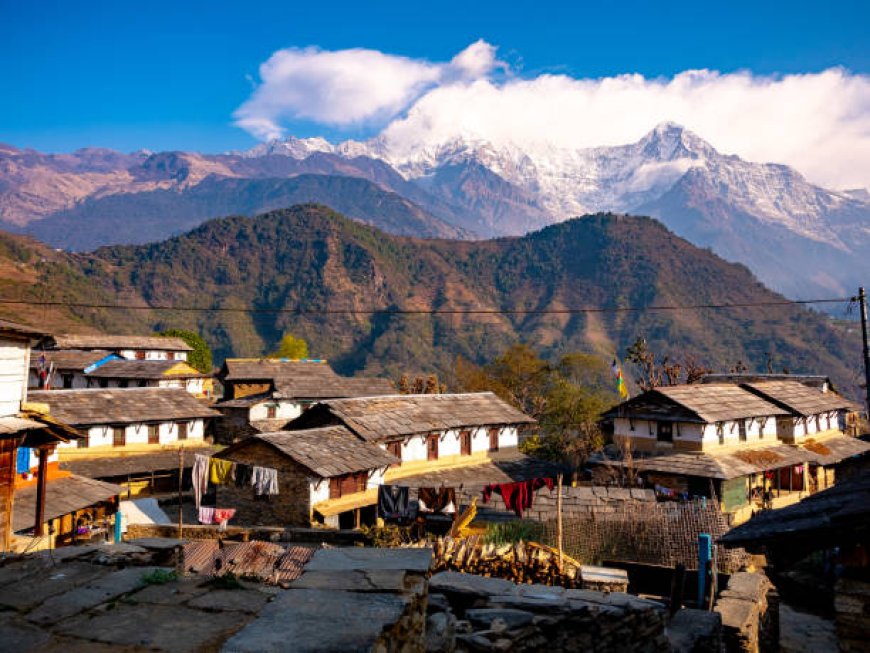
But what elevates Poon Hill is of course the magical experience of seeing a sunrise?over the all-powerful giants of the Himalayas. Then the first light of dawn hits the snow-capped mountains and the sky goes warm, making a scene you wont soon forget. Aside from the world-class views, the trail to Poon?Hill weaves through traditional Gurung and Magar villages, where youll get a taste of culture, hospitality, and architecture. This cultural experience enhances the trek and adds flavour to the natural wonder.
For most people, Poon Hill is not merely a trek; its the fulfillment of an epic travel journey that?marries a good base of physical exertion with stunning vistas, and cultural insight. This is a great entry-level trek in the Himalayas where the mountains are so beautiful, the landscape is open, yet the route is not too difficult to deter you in any way.
Timing: When to Get the Best Views
To get the most out of the breathtaking views from Poon?Hill, timing is important. The most common and awe-inspiring times to visit are during sunrise when first light washes the high peaks in golden light. In Ghorepani Poon Hill Trek trekkers typically begin the ascent around 4:30 to 5 a.m., ?so they can reach the peak before sunrise. Its early arrival also means you can get a good spot for your view and watch the slow lights up of Annapurna, Dhaulagiri, and other great mountain ranges.
Until sunrise, its adoration, as the surrounding mountains are starting to come back in daylight and show more of their colourful mirrored side. Its also a relatively quiet time of day because many trekkers set off to descend shortly after sunrise. The tranquility of a later sunrise gives you a chance to capture photos with different lighting and feel the landscape without the chill of the early morning.
Sunset in Poon Hill Although not as hectic as?sunrise, Poon Hill Sunset is a special moment. Its less crowded, but the mountains and valleys are painted soft oranges and pinks by the warm glow of the evening sun. For the motivated, watching sunrise and sunset can provide a diverse, full view of the beauty of this Himalayan viewpoint.
Getting the Summit: How to Make Your Ascent Okay and Fun
The ascent to Poon Hill summit is not long but may be steep and difficult, especially in?the early morning. The climb from Ghorepani takes 30 to 45 minutes to the top along rocky and sometimes slippery steps. Traction Hiking boots may be required for the best grip on some trails, as well as to support your ankle on uneven paths.
Hiking early in the morning in Ghorepani Hike Nepal with a headlamp or flashlight enables you to safely find your footing in the dark. You should pace yourself rather than rushing up, since the altitude and incline may make it harder for you to breathe. B) Breathe deeply and slowly and take breaks when they need to rest, conserve energy, and prevent fatigue.
It doesn't overburden you, and the few small essentials you carry will take up next to nothing of its precious space. Your body will thank you for it as you will reach the summit feeling energized and wanting to savor the amazing sunrise and mountain views waiting for you at the top.
What to Pack: Top Essentials for Comfort and Safety
The key to comfortably and safely enjoying an unforgettable time at Poon Hill is packing?the right gear. Temperatures on the summit, particularly several hours before sunrise, are cold, so warm clothing layers are essential. Long thermal base layer, fleece or down jacket, gloves, and a hat to keep you warm for the pre-dawn wait.
Footwear needs to be solid and, if wet at all, waterproof for the occasional stone steps and the damp. A hand lamp or flashlight is a must if you are hiking the dark trail before sunrise; its good to have your hands free, and potholes can trip people up.
All other essentials are water (because you must water yourself), snacks (because you'll need the energy), a camera with extra batteries, or a power bank?(because obviously). Sunglasses and sun protection are essential to keep your eyes and skin safe from harsh UV rays at high elevation. Lastly, a small basic first-aid and some personal medications would offer some peace of mind as you cherish the amazing moments on top of?Poon Hill.
The blue hours - Maximise the light from dusk and dawn
The?sunrise at Poon Hill, its a legendary event that pulls trekkers from all around the globe. To maximize this golden hour, youll want to start your hike early enough that you can reach the summit 20 to 30 minutes before the application of the sun. This is enough time to get settled in, find a good spot, and enjoy watching the gradual color changes as the sky and mountains become a breathtaking masterpiece.
The light at sunrise is soft and warm for photography as well as peaceful contemplation. As the sun rises, shadows angle across the range in such a way that new textures and details emerge in the snow-capped peaks. But youre free to ogle the ever-changing views and savor the calm, air-conditioned silence that will be replaced by the chaos of the day in a few minutes.
Then it's back?atop Poon Hill for sunset, another perspective on Poon Hill and its beauty. Fewer trekkers visit for sunset, but the warm, soft light provides a more peaceful, personal atmosphere. Witnessing the mountains turn orange and pink as the day comes to a close can be a fitting end to your Himalayan adventure or a lovely lead-up to the sunrise extravaganza.
Seizing the Moment: Professional Tips to Take Beautiful Snapshots.
There is some thinking to be done?about photographing the amazing view at Poon Hill. One must arrive early in order to get a good spot, especially at sunrise when the light is soft and dramatic. A wide-angle lens allows you to capture the sweeping mountain panorama, and a tripod can provide stabilization for pictures in low light. Set an exposure that avoids the skys blowing out or the peaks being underexposed, tweak your angle?and shootsometimes the best pictures are just off to the side of the main view. Do be sure to include some close-up of the prayer flags snapping in the wind or the barren trail itself, lending a sense of place to your images.
Smartphone photographers can still make awesome images with the HDR mode and panoramic features; they just need to be aware of excessive use of zoom to maintain image quality. Since the light is moving rapidly at dawn, have your settings ready to go as you track the light and color as you shoot. Above all, find a photo-opportunity equilibrium with experiencing the moment frame freesometimes the best memories are those your eyes keep, not the ones your camera does.
Acknowledging the Silence How to Take in Beautiful Landscapes
Beyond photos, one of the most rewarding ways to experience Poon Hill is?to feel the silence and stillness that envelops you. The peak is often cloaked in a sort of tranquil silence, before the crowds descend, when all you can hear is a light breeze blowing, the occasional beeps of birds, and your own inhales and exhales. Close your eyes for a second and take a deep breath of that crisp mountain air filling your lungs. This silent mindfulness can enrich your appreciation of the landscape, making you more sensitive to its beauty and expanse.
Instead of hurrying from viewpoint to viewpoint, pause to soak it in. Most of the time, travel guides and internet accounts of the trek will focus on major highlights like the way the sun sparkles on a distant peak, the passing cloud formations, or even the delicate fluttering of prayer flags. Opportunities like these inspire thanks and contemplation, changing up a plain old hike to a meditation in motion. To be present and feel the glory of the Himalayas is something that one can feel not just by seeing them, but through the mind and spirit.
Local Stories and Legends: Feel the Culture
Poon Hill isn't just about stunning scenery, it's also?about local culture and stories. The surrounding villages are settled by Gurung and Magar people, and their traditions and folktales surely add extra taste to your trek. As is the case with any place, the stories youll get to hear from local guides or villagers about mountains, spirits, or old trails can change the way you look at the region. For instance, Machapuchare is considered by many locals to be a holy mountain off-limits to climbers, and generations have shared stories about its divine protection.
And a (read) tale about talking to local people in teahouses or village plazas; here you can hear about their daily lives, ?festivals, customs, and beliefs. Small acts, ?such as understanding a few words in Nepali and tasting a local dish, can help you build connections and respect. It's these cultural exchanges that enhance your trip, turning this into more than just a whistle stop, but a beautiful exchange between the traveler and the one who welcomes them.
Wildlife and Nature Observation Near?Poon Hill
The Poon Hill?region is a playground for nature lovers. The trail goes through dense rhododendron and oak forests and teems with wildlife. The early hours are the best time to spot birds like the iridescent Himalayan monal (the national bird of Nepal), the many species of pheasant, and the bright sunbirds. Squirrels and langur monkeys are other small mammals that can be easily observed on the trail.
Lucky visitors might also see more elusive creatures such as musk deer or the odd leopard, although these are both rare and shy. The abundant variety of plants, particularly in spring when rhododendrons are in full bloom, provides ideal conditions for botanists and enthusiasts with a camera. Bring your binoculars and bird or nature guide to take a closer look at this unique Himalayan ecosystem and enhance your wildlife spotting experience.
After the Summit: Other Great Nearby Places to Explore
The adventure doesnt have to stop once youve enjoyed the views from?Poon Hill. Closeby villages like Ghorepani, Tadapani, and Ghandruk have beautiful spots for people to go to experience more of the local culture and nature. Ghandruk, especially, is home to traditional Gurung houses, a local museum, and trails that make for more panoramic viewpoints, minus the crowds.
For longer treks, to reach more dramatic mountaintop vistas and lush rhododendron forests, you can also join the Annapurna Base Camp trail just keep hiking from Tadapani. On the other hand, trekking towards Khopra Ridge will take you along a quieter, less frequented route but still with beautiful views and alpine lakes. Back in Pokhara, you can chill by the lake or go for paragliding for another thrilling birds-eye view of the Annapurna range. Whether adding a?few days to your trek or taking a rest day, the area surrounding Poon Hill is saturated with alternative treks and trekkable places, ensuring your Himalayan adventure doesnt have to end.
How hard?is Poon Hill Trek?
The Poon Hill Trek?is rated easy to moderate. Its suitable for beginners or those with a baseline level of fitness, since the trail is well-worn and doesnt require technical rock climbing. The walk is a gradual uphill trek, with a few sections of steep stone stairs, ?especially around Ulleri, but most people can do it. The elevation at Poon Hill?(3,210 m) is very low so the possibility of severe altitude sickness is quite low compared to other Himalayan treks.
How many nights?in Poon Hill?
It takes on average 4 to 5 days to finish the trek. A common itinerary is:
Day 1: Nayapul to Tikhedhunga
Day 2: to Ghorepani via Tikhedhunga
Day 3: Early morning hike up Poon?Hill and back to Ghorepani, then trek to Tadapani
Day 4: Tadapani to Ghandruk
Day 5:?From Ghandruk to Nayapul and back to Pokhara
It means we can take it easy, give our bodies time to adjust, and have plenty of daylight hours in which to sightsee and make the most of the stunning views.
Mardi Himal Trek?or Poon Hill?
The two treks also provide equally epic Himalayan experiences with slightly different vibes:
Poon Hill Trek?is a shorter, preferred, and easier trek, perfect for first time trekkers or for those with a short time span. It has dramatic panoramic views and cultural villages.
Mardi Himal Trek is remote and less crowded, and the difficulty is moderate. It has pristine nature, close-up views of Machapuchare and a more wilderness feel. Its for trekkers who are looking for solitude and a bit more physical challenge.
If you want something more convenient and are happy?with the quintessential view, go for Poon Hill. Mardi Himal is better for a more peaceful, adventurous trek.
What can you do in Poon?Hill?
Poon Hill is a great place to catch your first Himalayan sunrise It also offering stunning vistas of the Annapurnas?and Dhaulagiri range. Key peaks visible include:
Annapurna South (7,219 m)
Machapuchare (Fishtail) (6,993?m)
Dhaulagiri (8,167 m)
Annapurna I (8,091 m)
Hiunchuli and Gangapurna
The sunrise over these peaks is legendary, with snow-capped mountains burning pink and orange. On good days, you can see verdant stepped fields, thick rhododendron forests, and traditional Gurung villages lining the valleys below.