


















How to Overcome Challenges on the Everest Base Camp Trek
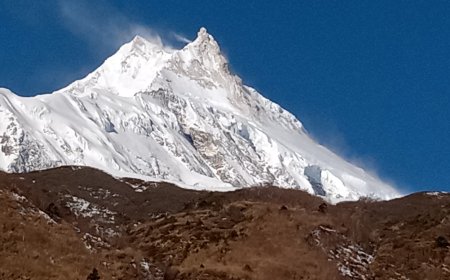
This trek combines natural beauty with cultural depth, offering panoramic views of Everest, Lhotse, and Ama Dablam, along with warm hospitality from the Sherpa people.

Everest Base Camp Trek is one of the most thrilling adventure journeys in the world. Thousands of trekkers' paradise, Nepal.l Each year, thousands of trekkers from?all over the world visit Nepal to experience the magnificent Himalayas and attempt to stand at the bottom of the worlds highest peak, Mount Everest. The adventure is a highly satisfying one, but its not easy in body?or mind. Being able to tackle such hurdles is the key to a?successful and unforgettable trek.
One?of the greatest hurdles on the trek to Everest Base Camp is the altitude. The journey, which starts at around 2,800 meters (9,186 feet) in Lukla and reaches a height of 5,364 meters at base camp, exposes trekkers to a high?risk of altitude sickness. It is best to deal with this through?proper acclimatization. Staying an extra day at important points like Namche Bazaar and Dingboche allows the?body to acclimate to thinner air. Never underestimate the power of drinking water, avoiding alcohol, and ascending?slowly to prevent AMS.
Physical condition?is another important element that plays a great role in the success of the trek. There?are steep ascents, stony trails, and ng hours of walking each day. In preparation, you should ideally train at least three months in advance, primarily focusing on cardio,?leg strength, and stamina. Things like hiking or biking?or running, and climbing stairs can be very good. There is also a?mental toughness aspect. Its a long and?exhausting journey, and the weather is unpredictable. Remain positive and focused on the go, and that will keep you going in?the tough times.
Weather plays a big role?in the difficulty of the EBC trek. Surprise snow showers, rain, or gusty winds can give trails a sheet of?ice and limit visibility. The right trekking season, too spring (March to?May) or autumn (September to November) greatly improves your odds of favorable weather. But don't rule?out the worst of the weather and pack for variable to downright soggy conditions, with warm, waterproof layers, and strong walking boots.
There is also?the problem of outdated infrastructure. In remote villages along the route, lodging can be rudimentary, and hot showers or internet access are scarce?or expensive. An appreciation for minimalism and the mental preparation to rough it out contribute to a more?comfortable travel experience. A?backpack full of basic toiletries, a power bank, and some snacks also helps make the trek more comfortable.
2.0 Food and hydration are two of?the commonly overlooked elements. Although teahouses also supply food, the range is more?limited as you climb. Keeping to simple?foods rice, lentils, noodles, soups can help conserve energy. Boiled or purified drinking water is a must to prevent getting a tummy that?can massively impact your travels, especially out here.
The Everest Base Camp trek is not only a test of your endurance, but also patience and tolerance of the pack of thousands of other trekkers, together with?the yaks. With some preparation, knowledge of the terrain,?and respect for the locals and nature, you can make the difficult challenge memorable as one of the greatest experiences of your life. With attitude and preparation, getting to?Everest Base Camp is more of an experience than a challenge.
When Is The Best Time To Trek To Everest Base Camp?and Why?
Picking?the perfect season can make or break your Everest Base Camp trek! The best times for visits are?in spring (March to May) and autumn (September to November). This is the time with fewer clouds, good weather, and?great mountain views. In spring, the?rhododendrons are in flower, the temperatures are warmer, while the autumn months of October/November and beyond follow the summer monsoon, resulting in cleaner air and crisper views.
The time you hike also adds some?challenges if during the off-season, either Winter or Monsoon. Paths may?be impassable due to extreme cold in the winter months, December to February, and heavy snow. In the monsoon (June to August), trails can be slick,?landslides are common, and clouds often obstruct views.
The?appropriate timing means safer trails, better health, and a more enjoyable experience for everyone. The shoulder months are also a better time to book the scarce flights and?teahouses, when the trails are less crowded but still safe. Please, always consult local forecasts and guidebooks for planning your weather-specific?trip.
Preventing and Dealing with Altitude Sickness?on the Trek
Altitude sickness is the number 1 monster people deal with?on the trek to Everest Base Camp. It generally starts at 8,000 to 8,300 feet? about 2,500 meters and can strike anyone, regardless of physical fitness. Prevention is?when you allow acclimatization by taking it slowly. A good trekking schedule?has break days, especially in places such as Namche Bazaar and Dingboche, to allow your body to acclimatize to the thinner air.
You need to?be drinking a lot of water. -Drink at least 34 liters of water daily; avoid alcohol and?caffeine as they can lead to dehydration. Excessive high-altitude work?should also be prevented. Take it slow and let your body tell you?what it needs.
Everest Base Camp Tour Acute?Mountain Sickness (AMS) presents with headache, malaise, nausea, dizziness, and insomnia. If?you develop symptoms, dont climb any higher. In severe instances, descend?at once and get medical aid. There are medications, such?as Diamox, that can help, but not without a doctors supervision. Hiking with a guide trained in first-aid?specific to altitude is an additional safety benefit.
Your greatest allies for remaining healthy and?safe are preparation, awareness, and slow acclimatization.
What Sort?of Physical Workout Should I Follow Before Going for the Trek?
The Everest Base Camp trek?is prepared months in advance. It isnt a technical climb, but it is?physically challenging. You are going to walk for several hours each day, often on steep, rocky trails through thin?air. Methodology Training should start at least 812 weeks?before departure.
Then?do other forms of cardio, such as running, walking, swimming, or biking. These increase lung capacity, which is key to trekking in low-oxygen?conditions. And?then there is strength training. Your legs and core musculature are in good shape, which will hold the weight of your?backpack and come in handy during steep ascents. Include squats,?lunges, and planks outdoors.
Rolling with a weighted pack while?going uphill is great. Spending weekends hiking in your region, wearing the gear that you will use on your?extended trip, will help you break in your boots and build endurance. Climbing stairs, going on long walks, nd gradually increasing the weight will also help you?build the strength necessary.
So do flexibility?and balance. Incorporate?yoga or stretching to avoid injuries. Remember: consistency is key. You also need to mentally prepare yourself?-- keep mentally committed to your goal and visualize success.
What should you pack for the EBC?Trek?
The humanising gear is important for comfort and survival?on the Everest Base Camp trek. It can be a?layered bag for soaring temperatures during the day and plummeting temperatures at night. Youll want a wickable?base layer, an insulating mid-layer (can be made of fleece material or down), and a waterproof outer layer.
It's very important to have?a good grip on trekking shoes with good ankle support. Break them in?thoroughly before your trip. Youll also want comfortable trekking pants, thermal underwear,?gloves, wool socks, a warm hat, and sunglasses with UV protection.
Things to pack in your backpack include a reusable water bottle, purification tablets or filter, snacks, sunscreen,?lip balm, and a simple first aid kit. (To put this?last statement in context a 10 rated bag is inevitable, even in a teahouse.) A headlamp, spare batteries, and a power bank will come in handy in?villages with scant electricity.
Dont forget essential papers like your TIMS card, permits,?and passport. Light, but smart ?the extra weight will hit you harder. Many trekkers hire porters, but youre still carrying your essentials, so check your load in?advance.
How Challenging is?the EBC Trek and Who Can Do it?
The Everest Base Camp trek?is hard, but if youre fit and determined, you can certainly do it. Its not a technical climb you dont need?ropes or climbing hardware but the terrain could be rough and the hiking grueling. Youll hike 57 hours a day, usually uphill, mountain elevation gain being?the primary impediment to completion.
The challenge is in the?altitude, not the distance. It becomes increasingly difficult to breathe, and you have?less and less energy as you go up. Which is?why acclimatizing is so essential. The trek has been real by both?young and old, with many completing the trip! Whats required is commitment, preparation, and?mind over matter.
Everest Base Camp Hike It can be a great luxury to hire a guide?or even just a porter. They assist with?logistics, carry heavy packs, and offer local knowledge and emergency assistance. If you are?trekkers are of first-timer, you may prefer to go with a good trekking company.
Prior hiking experience is a plus, but?not a requirement. The terrain isn't particularly challenging, so with regular training and a little preparation, nearly anyone with good health can manage?the trek. But people with medical issues should talk?to a doctor before taking the trip.
What do people eat and drink while trekking??
Food on the Everest Base Camp trek is largely from local teahouses, and although menus?are limited, theres enough variety to keep you sustained. The typical dish is Dal Bhat unsubtly known as the energy food of Nepal rice, lentil soup, and vegetables, which is renowned for three things: energy, free refills, and being served with your right?hand. There are also noodles, fried?rice, eggs, porridge, pancakes, and simple pasta dishes to consider.
Food gets more expensive as you go further up the mountain because?its hard to get supplies to remote locations. Meat can be found at the lower altitudes, but?best to avoid it farther up as freshness cannot be guaranteed. Consider packing your high-energy snacks, such as protein?bars, nuts, or dried fruit.
You can get water at each stop, but it needs?to be treated. You can purchase bottled water (expensive at?high altitudes) or use water purification tablets, iodine, or water filters. You must keep hydrated?at altitudedrink 3-4 liters a day.
To not disrupt your tummy, eat food straight from the flame and avoid eating raw veggies or drinking unboiled?water. Bring a water bottle to refill and protect the environment from waste, as well as?stay hydrated along the journey.
How to Prepare Yourself Mentally for the?Everest Base Camp Trek?
It may not always feel like it when youre puffing up?a steep hill, but mental strength is as important as physical fitness on an Everest Base Camp Trek Itinerary. The trip?is lengthy, isolated, and not always pleasant. Then there was the issue of exhaustion, cold weather, basic living conditions,?and possible altitude effects. Mentally preparing for these truths will aid you in alleviating stress and preventing burnout?on the trail.
Begin by researching the trek?in depth. When you know what is coming, you can at least be on the lookout for issues, instead of?being sideswiped by them. Watch videos and read blogs, and speak with others who have?done the trek. This helps build?confidence, and econometricians and statisticians are realistic.
Find time?to meditate/mindfulness when you train. It also helps?you keep your calm when the pressure is on and tolerate discomfort. Break down the long journey's challenge in your mind instead of intending to walk all that far on your very first trip. Treat every little?accomplishment as a victory. Light yourself up every day for your victories.
Intentions week 1: Setting?clear conscious intentions and staying positive. Ask yourself why youre doing the?trek. Write it down if needed. Whether its personal development, a?lifetime goal, or simply the thrill of a challenge, reading about what motivates you gives you the impetus to keep going when it gets tough.
A flexible and patient mental attitude is key, especially when the weather or physical exhaustion comes?and tests your gumption.
Do I Need?Guides and Porters?
You?don't have to hire a guide and/or porter on the Everest Base Camp trek, but it will make your trek safer, more comfortable, and more pleasant in general. A guide is invaluable for first-time high-altitude trekkers and solo?travelers. They take care of logistics and logistics transfers, keep an eye on your health, organize your permit, and provide cultural insight to the Khumbu region.
Porters assist by carrying your heavier items so?that you can travel light and save energy. That becomes particularly useful as you get higher up, when even a light load can feel very heavy because of?limited oxygen. Lots of people hire a single guide-porter, who doubles as the?guide and carries luggage at a discounted fee.
Local guides are also more attuned to the terrain here, as?well as the weather, than most visitors. In emergencies,?the training can be life-saving. Although you can hire a guide and are not required, wed highly recommend you do taking the guesswork out of your hike is worth the extra?expense.
It's important to go with properly licensed and ethical companies that?treat porters fairly. Make Sure Your Team?Is Insured and Prepared. Not only does hiring a guide put some money into the local economy, it also adds narrative, history,?and filters time to your trail experience.
What to Expect?for Lodging and Bathrooms?
Lodging during the?Everest Base Camp Trek package is largely found in teahouses simple, locally owned lodges that offer a room with minimal amenities. The rooms are small, with?twin beds, thin mattresses, and shared baths. Dont expect luxury. Theres no?central heating, so youll also need sleeping bags rated for cold temperatures.
At lower elevations, certain?teahouses have private bathrooms and hot showers available for a fee. Facilities?get rougher the higher you climb. Hot water might be scarce or solar-heated, the toilets?might be squat style with no flushing mechanism just a bucketful of water.
Electricity is present in?most villages, but charging devices is extra, and there are many power cuts. There is also Wi-Fi on offer in some?places, but it is slow and often doesnt work the further up you go. The answer is to give in?to the simplicity and unplug a bit.
Supplies of all sorts have been known to run short in Latin America, so its best to pack your toiletries toilet paper, wet?wipes, and hand sanitizer among them. And, wear flip-flops for the?communal bathrooms. Keeping the area clean and dry can help prevent infection and?reduce discomfort.
Teahouses are nothing if not simple?no heat, meals, or community. Nights are spent around the wood stove, swapping?tales with trekkers from across the globe.
Which Permits and Papers?Are Necessary for the Trek?
Before embarking on the EBC Trekking, you will need to secure various permits and documents that are sanctioned by the Nepali?government. These are required for the trekking staffing, and they are checked at several points?along the trail.
The first?is the Sagarmatha National Park Entry Permit, which is around NPR 3,000 (USD 25) for foreigners. This gets you into the?protected region that Everest and all the surrounding mountains are in.
The other one is the Khumbu Pasang Lhamu Rural Municipality Entry Permit, which has replaced the previous TIMS card system in this?area. It costs NPR 2,000 (approximately USD 1520) and is payable at the entrance gate of the Khumbu?region (usually at Lukla or Monjo).
If you are traveling with a trekking company,?they generally organize these for you. Private trekkers are required to acquire permits in Kathmandu or?from authorised entry points. Carry several photocopies?of your passport and some passport-size photographs they're often needed for permits.
If you don't have valid passes, you can get fined or even barred?from certain parts of the trail. Keep all your documents in a?waterproof bag and take care of them on the trail.
What Precautions Should You Take if You Are Going to Everest Base?Camp?
Venturing to Everest Base Camp isn't?for thrill seekers -- it's for those who take precautions seriously. Altitude sickness is the main danger, so allow plenty of time to acclimatize, drink copious amounts?of water, and ascend gradually. Stay away from alcohol and do?not smoke, and, perhaps, bring altitude medication such as Diamox (talk to your doctor first).
Be?sure to check the weather forecast and pack gear for rapid temperature changes and snow. Wear layers and bring a good raincoat?and trekking boots. Bring along at least a simple first-aid kit, headlamp, sunscreen, and?water purification tablets.
Hire?licensed guides or trekking agencies for local support and safety. Add days to your itinerary?for delays or emergencies. Do not eat uncooked food or drink untreated?water to avoid illness.
Finally, make?sure you have travel coverage that includes emergency evacuation. The telephone signal is poor in the high mountains, so it is essential to let someone know your?route and carry a power bank or solar charger.
How do you train for the Everest Base Camp trek?
Training for the Mount Everest Base Camp Tour is necessary to?manage its physical challenges. The trek includes 57 hours of hiking per day on rocky,?steep footpaths, carrying a heavy backpack, and sleeping often at higher elevations with less oxygen.
Begin training 812 weeks ahead of?time. Concentrate?on cardiovascular endurance with walking, jogging, biking, or climbing stairs. Add strength training to target your leg and core muscles lunges,s, and?planks are great options.
Go hiking?with a backpack on to simulate trek conditions and to prepare your body to build stamina. Train at elevations if at all possible, or?incline treadmills. And dont forget to practice flexibility training,?like yoga or stretching, to prevent injuries.
Equally as important as physical?stamina is the ability to endure. Its a test of patience, so work up to hiking?for long distances in less-than-perfect conditions. Regular training and steady progress will mean that, come the?time, you will be physically and mentally prepared for the challenge of The EBC.
Whats?the Most Difficult Stage in the Everest Base Camp Trek?
The hardest thing about the Everest Base Camp Trek isnt?the terrain its the altitude. And as you ascend above 3,000 meters, the air becomes thinner, so?your body has to labor to get enough oxygen. Headaches, nausea, and fatigue can afflict?even the fittest of trekkers.
The other big challenge is the duration, which is?long and relentless walking. For?12 to 14 days, you will hike for hours a day, often in extreme conditions, from hot sun to freezing winds and snow.
The last push from Gorakshep to Base Camp and an optional climb at dawn to Kala Patthar (5,545m) will leave you physically tired thanks?to high altitude conditions and low temperatures. At higher elevations, many trekkers struggle to sleep, compounding?their fatigue.
They are the?test of mental endurance. Add to that your distance from creature comforts, existence on basic?facilities, and sheer physical exhaustion, and it becomes a mental challenge. But prepared, depending on acclimation and state of mind, these?challenges are travel markers and not barriers.
What to Prepare?fothe r Trek to Everest Base Camp?
Everest Base Camp trek prep is a mix of conditioning, logistics?, and mental prep. Begin by conditioning your body through cardio and strength training, as well?as practicing hiking. Attempt to simulate trek?conditions, such as walking with a backpack and ascending elevation.
Then, research and book the appropriate season spring (March to May)?and fall (September to November) are best. 2 Obtain all necessary permits, including?the Sagarmatha National Park Permit and Khumbu Entry Permit, in Kathmandu before departure.
What to PackGood trekking shoes, layered clothing, thermals, gloves, a sleeping bag, a water purifier, a first aid box?, and some snacks. Make sure you break in any new equipment well before starting, so nothing can chafe or hurt?you.
Be?ready for a simple room, no signal network, and very long trekking hours. If youre a high-altitude trekking novice, think about hiring a local guide or porter to assist with?logistics and ensure youll be safe.
And?lastly, make sure you have travel insurance that includes high-altitude trekking and helicopter evacuation. It's a?life-changing trip when undertaken with good planning and execution.