




















Lifeguard Courses: What They Offer and How to Choose the Right One
Lifeguard courses are structured programs that combine in-water practice, classroom instruction, and emergency response training.

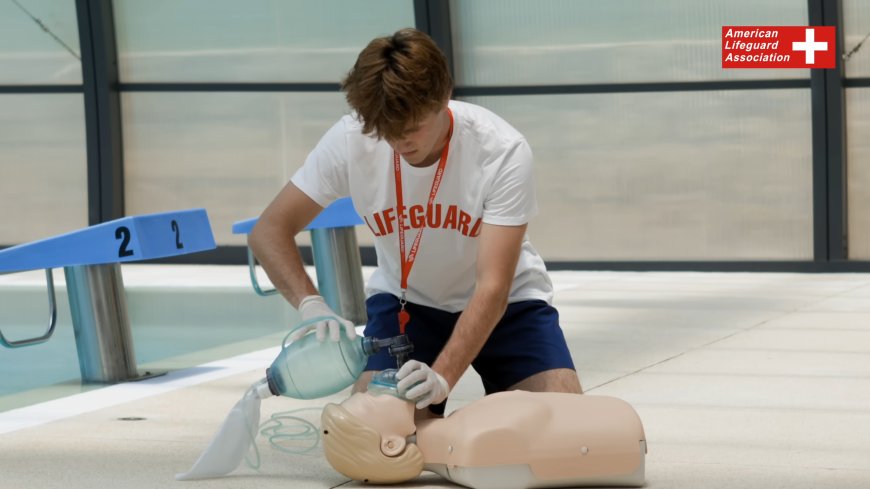
Lifeguard courses are comprehensive training programs designed to prepare individuals for one of the most important roles in aquatic safety. These courses equip future lifeguards with the knowledge, practical skills, and physical conditioning required to prevent accidents, perform water rescues, and respond to medical emergencies in pools, beaches, lakes, and recreational water facilities.
If you're considering lifeguarding as a profession or part-time job, understanding what lifeguard courses includeand how to choose the right oneis the first step toward certification and confidence in life-saving situations.
1. What Are Lifeguard Courses?
Lifeguard courses are structured programs that combine in-water practice, classroom instruction, and emergency response training. The goal is to develop competent and certified lifeguards capable of:
-
Monitoring aquatic areas for signs of distress
-
Performing water rescues and emergency procedures
-
Administering first aid, CPR, and AED
-
Enforcing safety rules and preventing accidents
Upon completion, participants receive a certification that typically remains valid for 2 to 3 years, depending on regional requirements.
2. Who Should Take a Lifeguard Course?
Lifeguard courses are ideal for:
-
Students and young adults seeking employment in aquatic environments
-
Individuals interested in public safety or emergency response careers
-
Coaches, swim instructors, and recreation staff
-
Anyone looking to gain essential life-saving skills
Most programs require candidates to be at least 15 or 16 years old, with basic swimming proficiency.
3. Key Skills Taught in Lifeguard Courses
a. Water Rescue Techniques
-
Identifying and rescuing distressed swimmers
-
Managing passive, submerged, and spinal injury victims
-
Handling multiple-victim situations
-
Using rescue tubes, backboards, and other safety equipment
b. CPR and AED Certification
-
CPR for adults, children, and infants
-
Two-rescuer CPR techniques
-
Safe and effective use of Automated External Defibrillators (AEDs)
c. First Aid and Emergency Medical Response
-
Bleeding control, fracture management, and burn treatment
-
Recognizing and responding to heat-related illnesses
-
Treating shock, allergic reactions, and other sudden conditions
d. Surveillance and Prevention
-
Scanning techniques for effective swimmer monitoring
-
Risk assessment and accident prevention
-
Implementation of Emergency Action Plans (EAPs)
4. Physical Requirements for Enrollment
Before or during the course, candidates must complete basic physical tests, such as:
-
Swimming 300500 meters without stopping
-
Treading water for 2 minutes, often without using hands
-
Retrieving a weighted object from the bottom of a pool
-
Timed event drills to simulate real-life rescues
These tests ensure that trainees can meet the physical demands of lifeguarding duties.
5. Types of Lifeguard Courses
Different settings require specialized training. Common course types include:
-
Pool Lifeguarding Focuses on indoor or outdoor pool environments
-
Waterfront Lifeguarding Includes lakes, rivers, and non-surf beaches
-
Surf Lifeguarding Covers open water and ocean rescue skills
-
Shallow Water Lifeguarding Tailored for water depths less than 5 feet
Select a course based on the environment where you plan to work.
6. How to Choose the Right Lifeguard Course
When selecting a course, consider:
-
Accreditation Ensure the program is recognized by national or regional standards
-
Instructor credentials Courses should be led by experienced, certified trainers
-
Course format Options may include in-person, hybrid (online + hands-on), or intensive weekend courses
-
Class size and structure Smaller groups often allow for more individualized instruction
-
Location and facility quality Ensure safe, clean training environments
7. Certification, Renewal, and Career Benefits
After passing the final written and practical assessments, participants earn a lifeguard certification. To maintain it:
-
Renew before the expiration date (every 23 years)
-
Take refresher or recertification courses
-
Stay informed about updated rescue and CPR protocols
Lifeguard certification enhances not only job opportunities but also:
-
Leadership and responsibility skills
-
Emergency preparedness in everyday life
-
Eligibility for roles in recreation, safety, and health industries
Conclusion
Lifeguard courses are the gateway to becoming a skilled, confident, and certified aquatic safety professional. With a mix of technical training, physical preparedness, and real-world emergency simulation, these courses empower individuals to make a meaningful impact wherever water safety is a concern. Whether for a summer job or a lifelong career path, lifeguard training is a valuable investment in personal and public well-being.