



















Mastering PRP Injection Training: Techniques That Build Confidence


Platelet-rich plasma (PRP) therapy has rapidly evolved from a promising regenerative technique into a clinical standard across aesthetics, orthopedics, and sports medicine. As its use expands, so does the need for precision. PRPs effectiveness depends not just on the quality of the productbut on the accuracy of the injection.
Thats why structured PRP injection training is no longer optional. Whether you're injecting into a knee joint or facial dermis, mastering technique is essential to achieving consistent, safe, and high-quality outcomes.
In this article, well break down what goes into competent PRP injection skills, explore the difference between guided and unguided methods, and show how anatomy knowledge, simulation, and repetition turn theory into confidence.
Why Technique Matters in PRP Procedures
The basic science of PRP is now well known: by concentrating a patients own platelets and delivering them directly to injured or aging tissues, we stimulate natural repair using growth factors and cytokines. However, the results depend heavily on:
-
The location of the injection
-
The depth of the injection
-
The volume and concentration used
-
The methodology applied (guided vs. unguided)
Unfortunately, many new providers underestimate the skill required. Without formal prp injection training, they risk missing target tissue, injecting into non-functional areas, or even causing unnecessary discomfort.
Injection Protocols for Specific Treatment Zones
A comprehensive training program will guide you through anatomical landmarks, needle choice, patient positioning, and proper technique for each major treatment area.
? Joints and Tendons (Orthopedic Applications)
-
Targets: Knees, shoulders, elbows, Achilles tendon, patellar tendon
-
Considerations:
-
Use of ultrasound guidance is often recommended
-
Injection must reach the joint capsule or enthesis
-
Avoid neurovascular structures
-
Best Practices: Clean, slow injections with post-procedure bracing or rest protocol
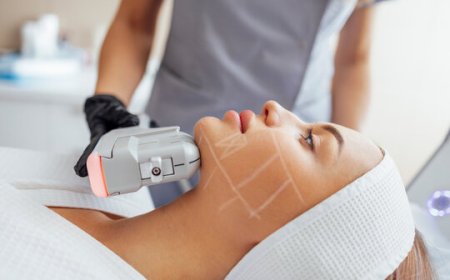
? Facial Applications (Aesthetic Use)
-
Targets: Under eyes, cheeks, nasolabial folds, neck
-
Considerations:
-
Use fine-gauge needles and shallow depth
-
Avoid bruising by staying away from major vessels
-
PRP may be combined with microneedling
-
Best Practices: Use fanning or threading techniques for uniform delivery
???? Scalp Injections (Hair Restoration)
-
Targets: Crown, frontal hairline, vertex
-
Considerations:
-
Uniform spacing and depth (usually 1.52mm)
-
Apply topical anesthetic for patient comfort
-
Ensure platelet-rich concentration is used
-
Best Practices: Grid pattern injections with scalp massage post-treatment
Understanding these protocolsand being able to execute them preciselyis where proper platelet rich plasma training becomes indispensable.
Guided vs. Unguided Injections: What You Need to Know
One of the most debated topics in prp injection training is whether to use image-guided tools like ultrasound or to rely on anatomical landmarks and palpation.
? Guided Injections (Ultrasound or Fluoroscopy)
Pros:
-
Real-time visualization
-
Increases accuracy, especially in joints and tendons
-
Useful for deep or complex anatomy
Cons:
-
Requires equipment and training
-
Slightly longer procedural time
Guided injections are considered standard for orthobiologics in joints and deeper structures, especially when treating chronic injuries or small joint spaces.
? Unguided Injections
Pros:
-
Faster and more convenient
-
Suitable for superficial areas (e.g., face, scalp)
-
Cost-effective, especially in high-volume clinics
Cons:
-
Higher risk of inaccurate placement
-
Relies on strong anatomical knowledge
A good prp and stem cell training course will expose you to both methods and teach you when each is appropriate, based on the clinical setting, target area, and patient anatomy.
The Role of Anatomical Knowledge
Precision in PRP injections isnt just about toolsits about understanding what lies beneath the skin. That means:
-
Knowing the layers of tissue involved
-
Identifying safe injection zones
-
Avoiding critical nerves and vessels
This is especially vital in areas like the face or knee, where slight misplacement can mean poor efficacyor in rare cases, complications.
Hands-on anatomy labs, cadaver reviews, and imaging studies are common in top-tier prp injection training programs. They go beyond textbooks, helping you visualize your needle path before you even make contact with the patient.
Simulation: The Bridge Between Theory and Clinical Confidence
Reading about injection technique isnt enough. Watching a video isnt enough. Competence comes from simulation and real-patient practiceideally under supervision.
Heres what a strong program should offer:
-
Live patient demos performed by instructors
-
Supervised hands-on sessions using models or cadavers
-
Peer practice for repetitive skill building
-
Feedback loops so you learn from each repetition
These elements are often included in high-quality prp and stem cell training courses that understand real-world application is just as important as clinical theory.
Common Pitfalls Avoided by Training
Providers who skip formal training often fall into these traps:
-
Injecting PRP into the wrong layer or structure
-
Using incorrect volumes or concentrations
-
Causing unnecessary pain due to poor technique
-
Misjudging patient candidacy or setting unrealistic expectations
A structured platelet rich plasma training course addresses these earlybefore they become habits that affect patient outcomes.
What to Look for in a Training Program
When evaluating a prp injection training program, focus on the following:
?? Does it include anatomy modules and imaging instruction?
?? Are you learning guided and unguided injection techniques?
?? Is hands-on simulation part of the curriculum?
?? Will you practice under the supervision of experienced instructors?
?? Does it offer post-training support or mentoring?
If the answer is yes across the board, youve likely found a course thats serious about building not just your skillbut your clinical confidence.
Final Thoughts: Competency Fuels Confidence
Injection technique is one of the most underestimated elements of PRP success. A high-quality centrifuge and great kit wont compensate for poor needle placement. Thats why structured prp injection training is critical.
By learning proper techniques across different treatment zones, refining your anatomical knowledge, and building real-world muscle memory through simulation, youll deliver better resultsand build a reputation as a regenerative provider who gets it right the first time.
Ready to Train with the Experts?
At Regenerative Medicine Academy, our hands-on prp injection training is designed for aesthetic and sports medicine professionals who are serious about results. Learn from experienced physicians, practice on real models, and walk away with a skillset that sets you apart.
? Explore PRP training programs at Regenerative Medicine Academy and start building your confidence today.