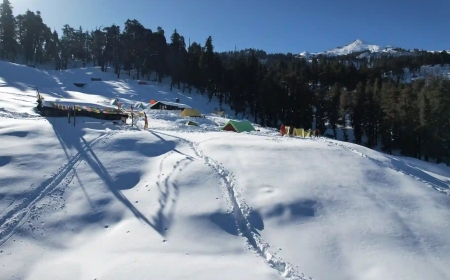




















Peak Climbing in Nepal: A Gateway to the Himalayas
Reaching New Heights in the Land of the Himalayas

Nepal is known for its towering Himalayan peaks, and while not everyone may aim for Everest, many climbers come here for something just as rewardingpeak climbing. These are smaller, non-technical or semi-technical mountains below 7,000 meters that offer a true mountaineering experience without the extreme altitude and time commitment of the tallest summits.
Peak climbing in Nepal is perfect for those who want more than just trekking. Its a chance to step into the world of climbing, build skills, and enjoy stunning views, all while exploring remote mountain regions.
What is Peak Climbing?
Peak climbing usually refers to ascending trekking peaks designated by the Nepal Mountaineering Association (NMA). These climbs often involve glacier travel, the use of ropes, ice axes, and crampons, but dont typically require advanced technical skills. Many trekking peaks are accessible to beginners with basic mountaineering training and physical fitness.
Unlike standard treks, peak climbing adds the thrill of reaching an actual summit with panoramic views over the Himalayas.
Popular Peaks for Climbing in Nepal
Island Peak (6,189 m)
Located near Everest Base Camp, Island Peak is one of the most popular climbing peaks. It offers a mix of trekking, glacier travel, and a short but steep summit pushideal for first-time climbers.
Mera Peak (6,476 m)
Mera is the highest trekking peak in Nepal. Though physically demanding due to its altitude, the route is less technical, making it suitable for beginners. The view from the top includes five 8,000-meter giantsEverest, Lhotse, Cho Oyu, Makalu, and Kanchenjunga.
Lobuche East (6,119 m)
Also near Everest, Lobuche East is more technical than Island or Mera and better suited for those with prior climbing experience. The summit offers sharp ridgelines and incredible views.
Pisang Peak (6,091 m) and Chulu East (6,584 m)
These are found in the Annapurna region and offer a blend of cultural trekking and alpine adventure. They're good options for climbers looking to explore a different part of Nepal.
When to Go Peak Climbing
The best seasons for peak climbing in Nepal are:
-
Spring (March to May): Stable weather, warmer temperatures, and clear skies.
-
Autumn (September to November): Post-monsoon conditions offer crisp air and excellent visibility.
These windows are ideal for both climbing and trekking, with trails and high camps more accessible.
Permits and Requirements
Climbing a trekking peak requires permits from the NMA, which include:
-
A climbing permit (fees depend on the peak and season)
-
TIMS Card (Trekkers' Information Management System)
-
National Park or Conservation Area entry fees
Most climbs are done with licensed trekking and climbing agencies, which also provide guides, porters, and gear. Basic mountaineering training is recommended, and many companies offer short courses before the climb begins.
Why Choose Peak Climbing?
-
Great for beginners: A stepping stone to higher and more technical climbs
-
Cultural experience: Routes pass through remote villages and Buddhist monasteries
-
Spectacular views: Watch the sun rise over snow-covered giants
-
Personal achievement: Reaching a Himalayan summit is deeply rewarding
Final Thoughts
Peak climbing in Nepal offers more than just reaching the topits about experiencing the raw beauty of the Himalayas, learning new skills, and challenging yourself in one of the most inspiring places on Earth. Whether you're a first-time climber or looking to sharpen your mountaineering experience, Nepals trekking peaks provide the perfect balance of adventure and accessibility.