



















The Science Behind Embroidery Stabilizers and When to Use Them
Your stabilizer isn’t just a backing—it’s an active participant in every stitch. Choosing the right one isn’t about following rigid rules, but understanding how materials interact.

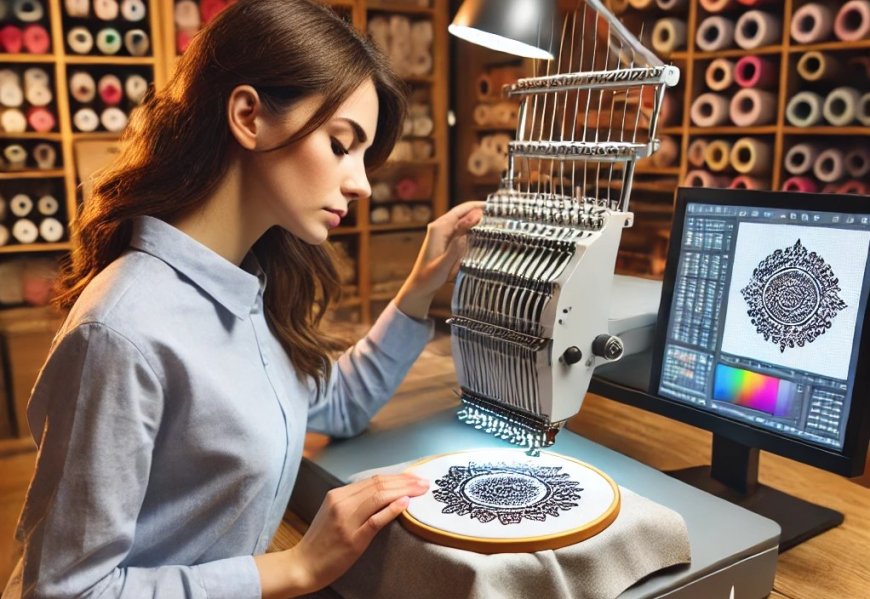
Embroidery might look like magicthread transforming into intricate designs with just the hum of a machinebut behind every perfect stitch lies some serious science. And if there's one unsung hero in this process, it's stabilizer. That seemingly boring sheet of material is actually the secret weapon preventing puckering, distortion, and thread disasters. Lets peel back the layers (literally) forunderstanding embroidery stabilizers matter more than you think and how to use them like a pro.
Why Stabilizer Isnt OptionalIts Physics
Think of stabilizer as your embroiderys personal bodyguard. Fabric moves. Needles punch through at high speeds. Thread pulls. Without stabilization, youre essentially trying to paint on a trampoline. Heres whats really happening:
- Tension Wars: Every stitch creates tensionthe upper thread pulls up while the bobbin thread pulls down. Stabilizer absorbs these forces so your fabric doesnt pucker like a shower curtain.
- The Hole Factor: Each needle penetration leaves a tiny hole. Multiple stitches in dense designs can weaken fabric like perforated paper. Stabilizer reinforces these micro-perforations.
- Thread Torque: As stitches build up, they create rotational forces that can twist lightweight fabrics into unintentional origami. Stabilizer acts as an anchor.
The Stabilizer Family Tree
Not all stabilizers are created equal. Each type solves specific problems:
Tear-Away Stabilizers: The Disposable Workhorse
- Science: Bonded fibers that tear cleanly along stitch lines
- Best For: Woven fabrics (cotton, linen), designs with open areas
- Pro Tip: Use two layers for dense designs on lightweight fabrics
- Surprise Use: Great for temporary stabilization in free-motion quilting
Cut-Away Stabilizers: The Permanent Protector
- Science: Non-woven materials that wont fray when trimmed
- Best For: Stretchy knits, frequently washed items, high-density designs
- Hidden Benefit: Prevents "grin through" (when fabric shows between stitches)
- Fun Fact: Some cut-aways soften after washing while maintaining support
Wash-Away Stabilizers: The Invisible Helper
- Science: Water-soluble polymers that dissolve completely
- Best For: Delicate fabrics (lace, silk), freestanding lace designs
- Cool Trick: Can be used as a topper to prevent thread sinkage in towels
- Chemistry Note: Different formulations dissolve in cold vs warm water
Heat-Away Stabilizers: The Vanishing Act
- Science: Synthetic fibers that sublimate (turn to gas) when heated
- Best For: Projects where water damage is a concern
- Caution: Requires precise temperature controltoo cool leaves residue, too hot can scorch
The Fabric-Stabilizer Matrix
Matching stabilizer to fabric isnt guessworkits materials science:
Stretchy Knits (T-shirts, performance wear)
- Enemy: Fabric distortion
- Solution: Cut-away + spray adhesive for "no movement" security
- Bonus: Consider a water-soluble topper to prevent stitches from sinking
Delicate Wovens (Silk, chiffon)
- Enemy: Needle damage
- Solution: Two layers of lightweight tear-away + water-soluble topper
- Expert Move: Hoop with the stabilizer only, then baste fabric on top
Tough Textiles (Denim, canvas)
- Enemy: Needle deflection
- Solution: Medium-weight tear-away for stability without bulk
- Pro Hack: Use a hammer to pre-flatten seams before embroidering
Tricky Surfaces (Towels, fleece)
- Enemy: Fiber interference
- Solution: Wash-away topper to keep loops from peeking through stitches
- Trade Secret: Spray a light mist of starch before hooping for extra control
When Stabilizers Fail: Troubleshooting Science
Even with stabilizer, things go wrong. Heres why:
The Curious Case of the Wavy Design
- Cause: Uneven tension distribution
- Fix: Use a cross-grain stabilizer (perpendicular to fabric weave)
- Science Bit: Aligns stability with fabrics natural stress points
The Mystery of the Shrinking Embroidery
- Cause: Over-compensated stabilizer tension
- Fix: Float fabric over looser stabilizer instead of tight hooping
- Physics Lesson: Allows natural fabric movement without resistance
The Puzzle of the Visible Shadow
- Cause: Stabilizer remnants refracting light differently than fabric
- Fix: Trim cut-aways closer or switch to clear water-soluble films
- Optics Insight: Light scattering makes white stabilizer more visible than clear
Next-Level Stabilizer Hacks
The Double Agent Method
Combine two stabilizer types for problematic fabrics:
- Lightweight cut-away in the hoop (permanent support)
- Water-soluble topper (prevents nap/fuzz interference)
The Pre-Stretch Technique
For ultra-stretchy fabrics:
- Spray stabilizer with temporary adhesive
- Gently stretch fabric as you apply it
- Let dry before hooping
Creates "pre-loaded" stability that compensates for stretch
The Freezer Paper Trick
For impossible-to-hoop items:
- Iron freezer paper to fabric back
- Stitch through paper/fabric combo
- Peel away after stitching
Adds stability without traditional hooping
The Future of Stabilization
Innovations on the horizon:
- Smart Stabilizers: Materials that change properties with temperature
- Bio-Dissolvable Backings: Eco-friendly options that break down faster
- Digital Tension Mapping: Software that recommends perfect stabilizer combos
The Golden Rule of Stabilizing
Always test your stabilizer choice on a scrap of the actual project fabric. What works for one cotton tee may fail miserably on another due to:
- Thread count variations
- Fabric finishes (like moisture-wicking coatings)
- Dye processes affecting fiber structure
Your stabilizer isnt just a backingits an active participant in every stitch. Choosing the right one isnt about following rigid rules, but understanding how materials interact. With this knowledge, youre not just embroideringyoure engineering textile art that lasts.
Remember: The best embroidery makes people wonder, "How did they get it so perfect?" The answer always starts with whats underneath.