



















Why Scrapping a Car Might Be the Greenest Move You Ever Make
Learn how scrapping your old car can help the planet by reducing waste and saving resources. Discover the environmental work behind Car Wreckers Sydney.


Cars are a part of modern life, but like all machines, they wear out over time. When a car can no longer be driven or repaired, many people leave it parked in a driveway, backyard, or storage space. What few realise is that keeping an unwanted car around may harm the environment more than getting rid of it. In fact, choosing to scrap a car the right way could be one of the most responsible actions a car owner can take.
Scrapping a car is not just about getting rid of metal. It is about reusing materials, reducing waste, and helping nature by keeping dangerous substances out of the land and water. This article looks at the real reasons why scrapping a car supports a cleaner and healthier future.https://www.carremovalsydney.com.au/
1. What Happens When Cars Are Not Scrapped
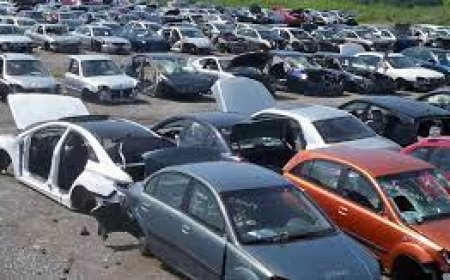
When old cars are left unused, they often leak fluids such as oil, coolant, and brake fluid. These liquids can soak into the ground or run into nearby drains. Over time, this pollution may reach rivers, creeks, or even the local water table.
Old tyres and plastic parts can also break down into tiny particles. These particles may enter soil and water, where they can be taken in by animals or plants. This form of pollution may be small in size but carries serious effects over time.
By leaving a car to break down slowly in the open, harmful substances are released without control. This is why scrapping it through the right process is far better for the planet.
2. The Recycling Process Begins with Removal
When a car reaches the end of its useful life, the first step is removal. Once the vehicle arrives at the yard, it goes through an inspection. Staff remove the battery, fluids, tyres, and parts that still work. These may be sold or reused.
After that, the shell of the car is taken apart and sorted into metal types. Each part is sent to the right recycling centre, where it is cleaned and processed for reuse. Steel, for example, can be turned into new car parts, building materials, or tools.
The same goes for plastics, rubber, and even glass. When these materials are reused, it means fewer natural resources are needed to make new ones. This reduces the demand for mining, cutting down trees, and using fresh water.
3. How Scrapping Saves Energy and Resources
It takes a great deal of energy to create steel from raw iron ore. Mining, transporting, and refining ore all add to greenhouse gas emissions. But when recycled steel is used instead, the energy savings can be large.
The Australian Bureau of Statistics has noted that recycling steel uses far less energy than making it from raw materials often up to 95 percent less. This drop in energy use also means a drop in air pollution and less pressure on power systems.
Recycling one car may not seem like much, but when thousands are processed each year, the total savings add up. Scrapping cars in the right way helps limit the need to make new materials, which protects the environment in more ways than one.
4. Less Waste Going to Landfill
Cars are built from many different parts rubber, glass, metal, cloth, plastic, and wires. If a car is sent straight to landfill, most of these materials break down slowly or not at all.
Tyres, for instance, can take decades to break apart and can even catch fire underground, releasing thick smoke and toxic gas. Other parts, such as synthetic materials or treated metals, can release chemicals into the soil as they break down.
Scrap yards that follow strict rules avoid sending these parts to landfill. Instead, they sort, clean, and send each part to the right place. This approach helps to lower waste and reduce the harm caused by dumping.
5. A Positive Step for Local Communities
Scrapping a car through the correct process helps not just nature but also local communities. It frees up public spaces, removes fire hazards, and lowers the risk of pests living in old cars.
Also, many of the parts taken from old cars are used again by local mechanics and workshops. This helps support people who fix vehicles and need parts that are no longer made new. It keeps more cars on the road safely and helps small businesses to keep going.
In many places, services like Car Wreckers Sydney play a key role in this work. They collect old vehicles and send them through the proper steps. By doing this, they support cleaner streets, safer backyards, and better outcomes for the wider area.
How Removal Services Fit In
There are times when people hold onto broken vehicles, unsure what to do next. Some cars carry family memories, while others were once work tools. Even when a car no longer runs, it may sit there for months or years, waiting for action.
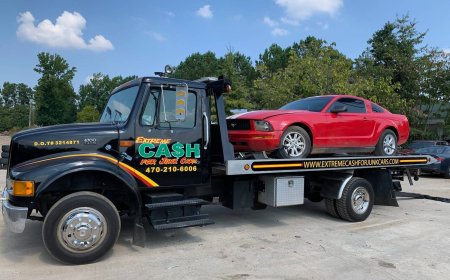
That is when a car removal service becomes useful. Not only does it help take the vehicle off your hands, but it also starts the path toward safe recycling. Some vehicles picked up through these services still hold working parts. Others are stripped down and sent for proper disposal.
By working with local yards and crews, services like Car Removal Sydney make sure these old machines do not become environmental risks. Whether the vehicle is rusted, wrecked, or just sitting unused, it can still serve a purpose through safe removal and the recycling system that follows.
6. What to Know Before You Scrap
If you are thinking of scrapping a car, it is helpful to know a few basic steps:
-
Take out personal items from the boot, glove box, and under the seats.
-
Remove the registration plates and return them to your local road authority.
-
Have your ID ready when arranging pickup or drop-off.
-
Let the removal service know the cars make, model, and condition.
By following these steps, the process can be smooth and clear. You help others by making it easier to handle the car and move it through the system.
Final Thoughts
Scrapping a car is not just about getting rid of something old. It is about taking a step that supports cleaner air, land, and water. It gives materials a second use and lowers the strain on natural resources.
Each car that is scrapped the right way adds to a future where waste is lower, recycling is stronger, and communities are cleaner. It is one small action that carries wide effects for both people and the planet.