



















Biomass Wood Pellets: The Smart Heating Solution for Sustainable Living

As global energy demands rise and environmental concerns escalate, the need for clean, renewable energy alternatives has never been more critical. Among the most efficient and sustainable biofuels available today are biomass wood pellets. These small, cylindrical fuel sources are rapidly gaining popularity for their versatility, eco-friendliness, and cost-effectiveness. Whether used for residential heating or large-scale industrial applications, biomass wood pellets offer a smart solution for a greener future.
What Are Biomass Wood Pellets?
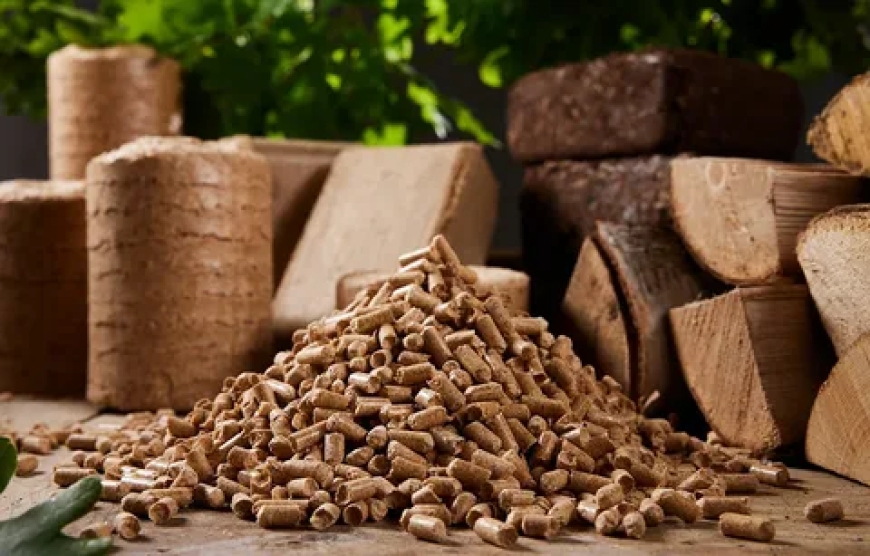
Biomass wood pellets are made by compressing finely ground wood wastesuch as sawdust, wood chips, and shavingsinto small, dense pellets using high-pressure machinery. These pellets are typically 6 to 8 millimeters in diameter and uniform in shape, which allows for consistent combustion and easy handling.
The raw materials used in pellet production are often by-products from lumber mills, furniture factories, or forest operations. This means that biomass wood pellets not only provide a clean source of fuel but also help recycle wood waste that would otherwise be discarded.
Why Biomass Wood Pellets Are the Smart Choice
The growing preference for biomass wood pellets over traditional fuels like coal, oil, and firewood is driven by several key benefits:
-
? Eco-Friendly: Biomass pellets are carbon-neutral, meaning the CO? they release during combustion is offset by the CO? absorbed during tree growth.
-
? High Efficiency: They offer a high calorific value (about 4000-5000 kcal/kg), providing more energy with less fuel.
-
? Clean Combustion: Pellets burn cleanly with minimal ash and smoke, reducing indoor and outdoor air pollution.
-
? Cost-Effective: In many markets, pellets are more affordable than fossil fuels and require less maintenance.
-
? Convenient Storage: Their compact size and low moisture content make pellets easy to store, transport, and use in automated heating systems.
Common Applications of Biomass Wood Pellets
Biomass wood pellets are used across a wide range of sectors:
-
Residential Heating: Pellet stoves and boilers offer a clean, efficient, and user-friendly heating solution for homes.
-
Industrial Use: Factories and commercial establishments use pellets in large boilers and furnaces for steam generation and heating.
-
Power Generation: Pellets are co-fired with coal in thermal power plants to reduce emissions and fossil fuel consumption.
-
Institutional Use: Schools, hospitals, and hotels use pellet-based heating systems to lower their energy costs and carbon footprint.
Supporting Sustainability and Energy Security
Switching to biomass wood pellets supports both environmental and economic sustainability. By replacing fossil fuels with a renewable resource, individuals and organizations can significantly reduce their carbon footprint. In regions with abundant forestry resources or wood waste, local pellet production also reduces energy dependence on imported fuels and stimulates rural economies.
Pellet manufacturing contributes to the circular economy by turning waste into energy. Furthermore, responsibly managed forestry ensures that trees are replanted, preserving biodiversity and maintaining ecosystem balance.